Vienna Press Information – June 2026 The Weißgerberviertel Neighborhood: Between Hundertwasser and Danube water
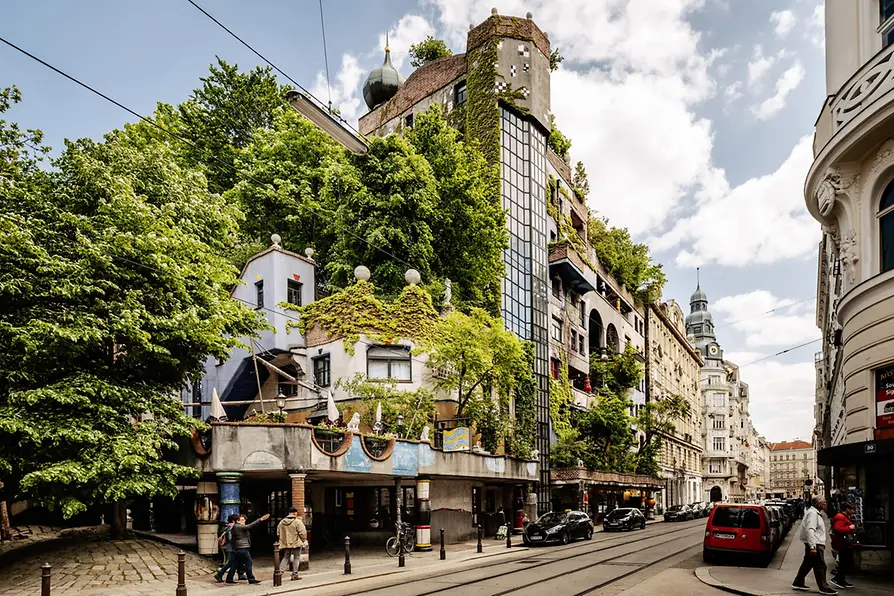
Once known as the Viennese suburb “Unter den Weißgerbern,” the neighborhood was shaped by the tanning trade until 1850 — a craft banished from the inner city because of its strong odors. Today, the Weißgerberviertel has developed into a neighborhood that is home to one of Vienna’s most famous landmarks and yet remains relatively unknown. Visitors who come only for the famous Hundertwasserhaus can easily miss the many facets of this distinctive part of the city.
The heart of the neighborhood
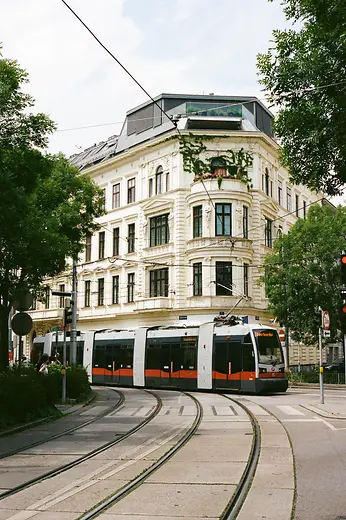
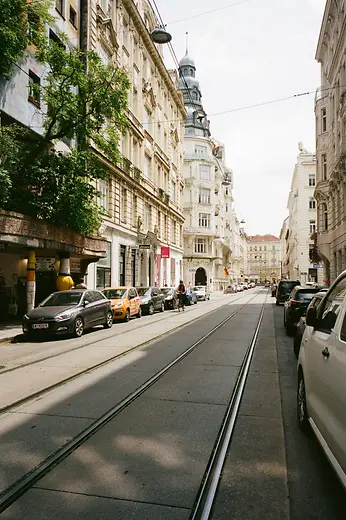
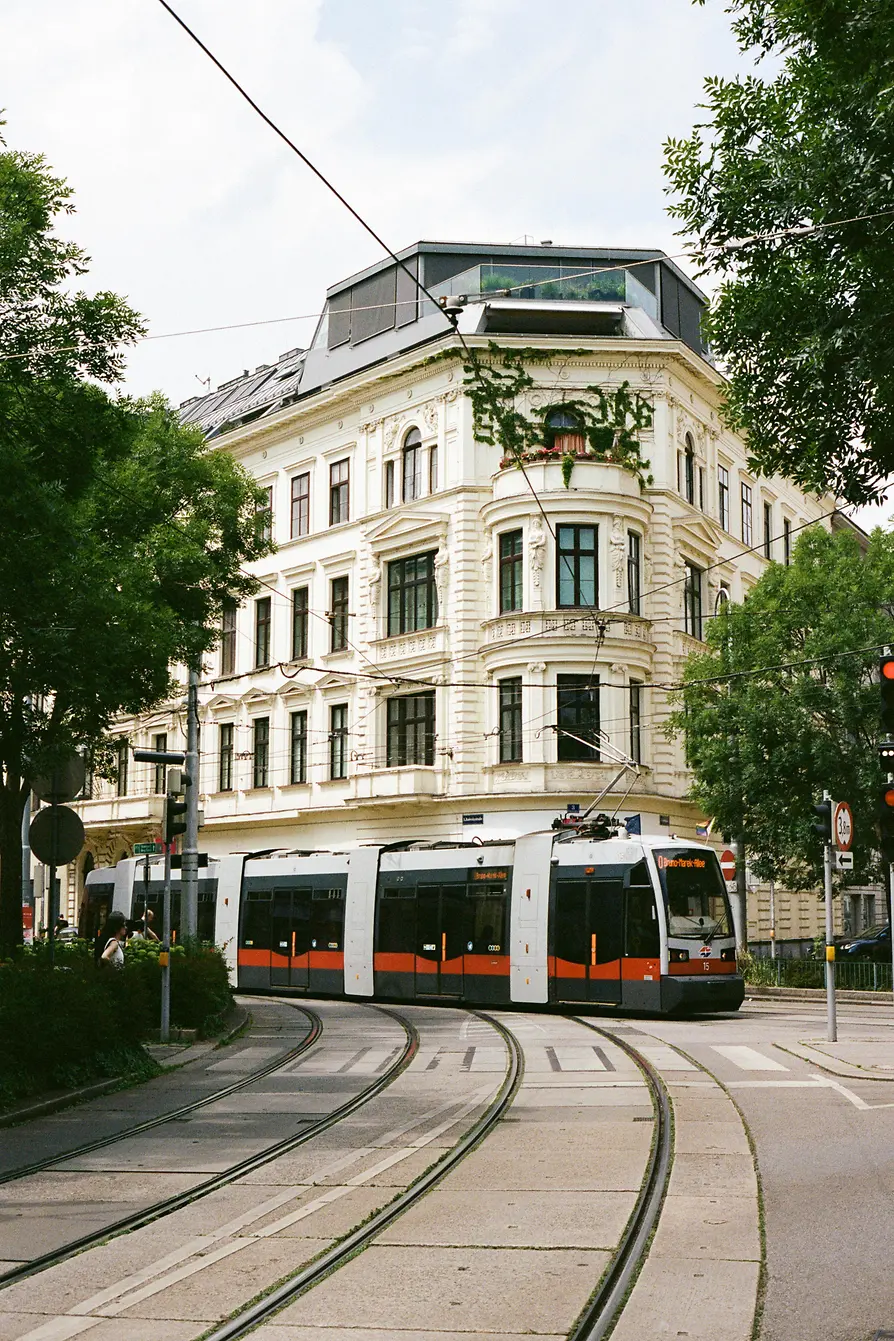
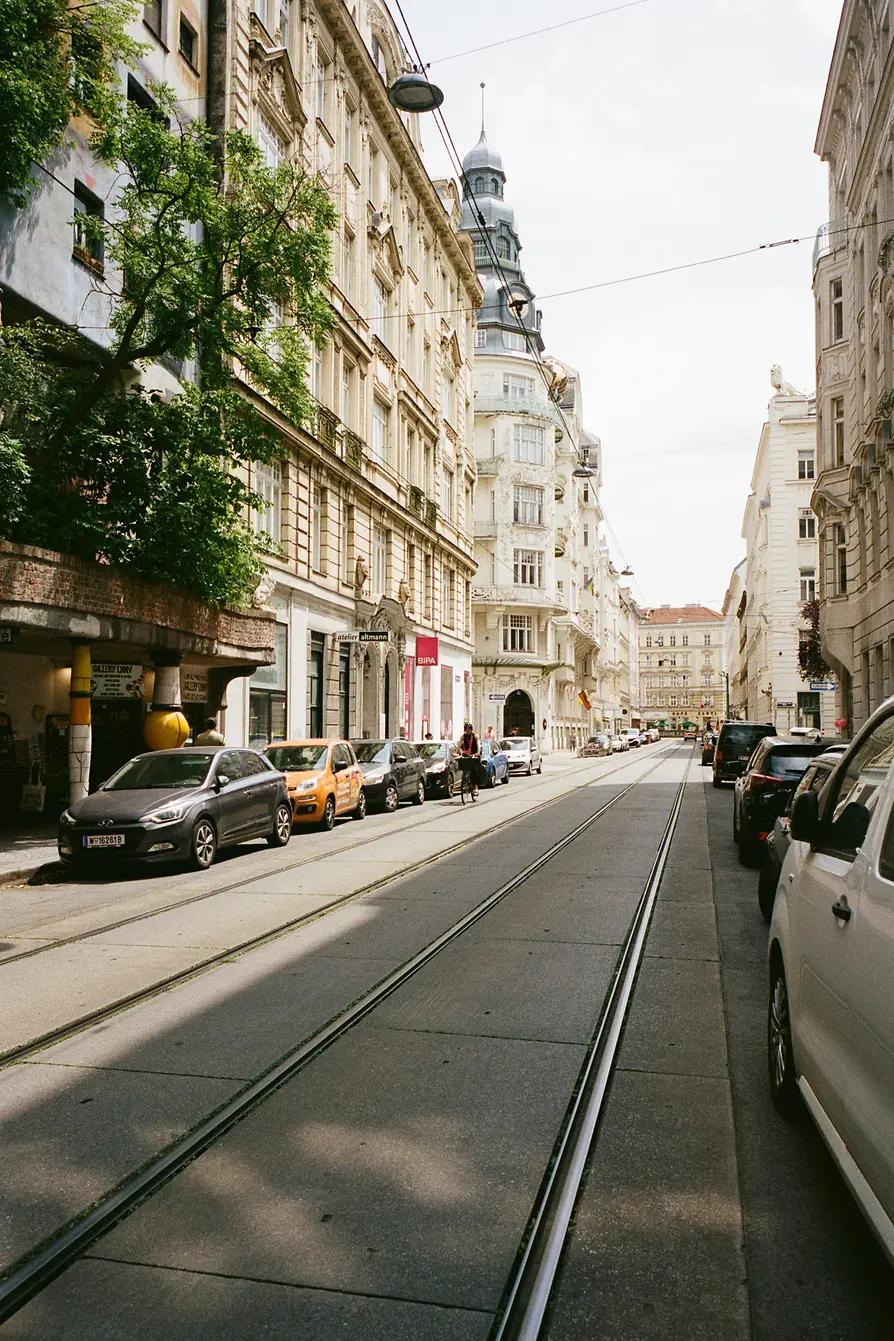
At Radetzkyplatz, tram lines 1 and O intersect, running along key routes through the city. Line 1 in particular offers visitors a convenient way to explore Vienna: from the Ringstrasse and Karlsplatz through the Weißgerberviertel and on to the green Prater.
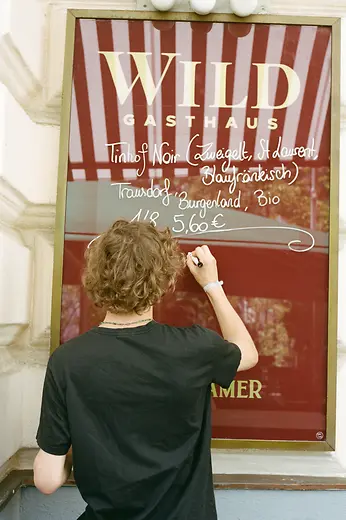
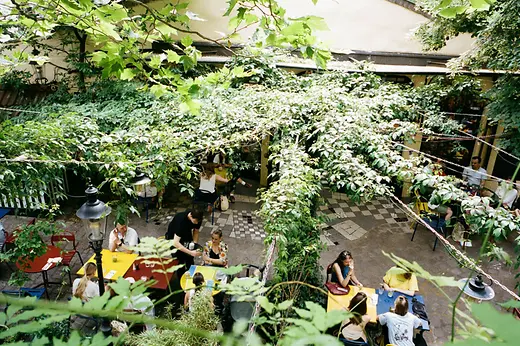
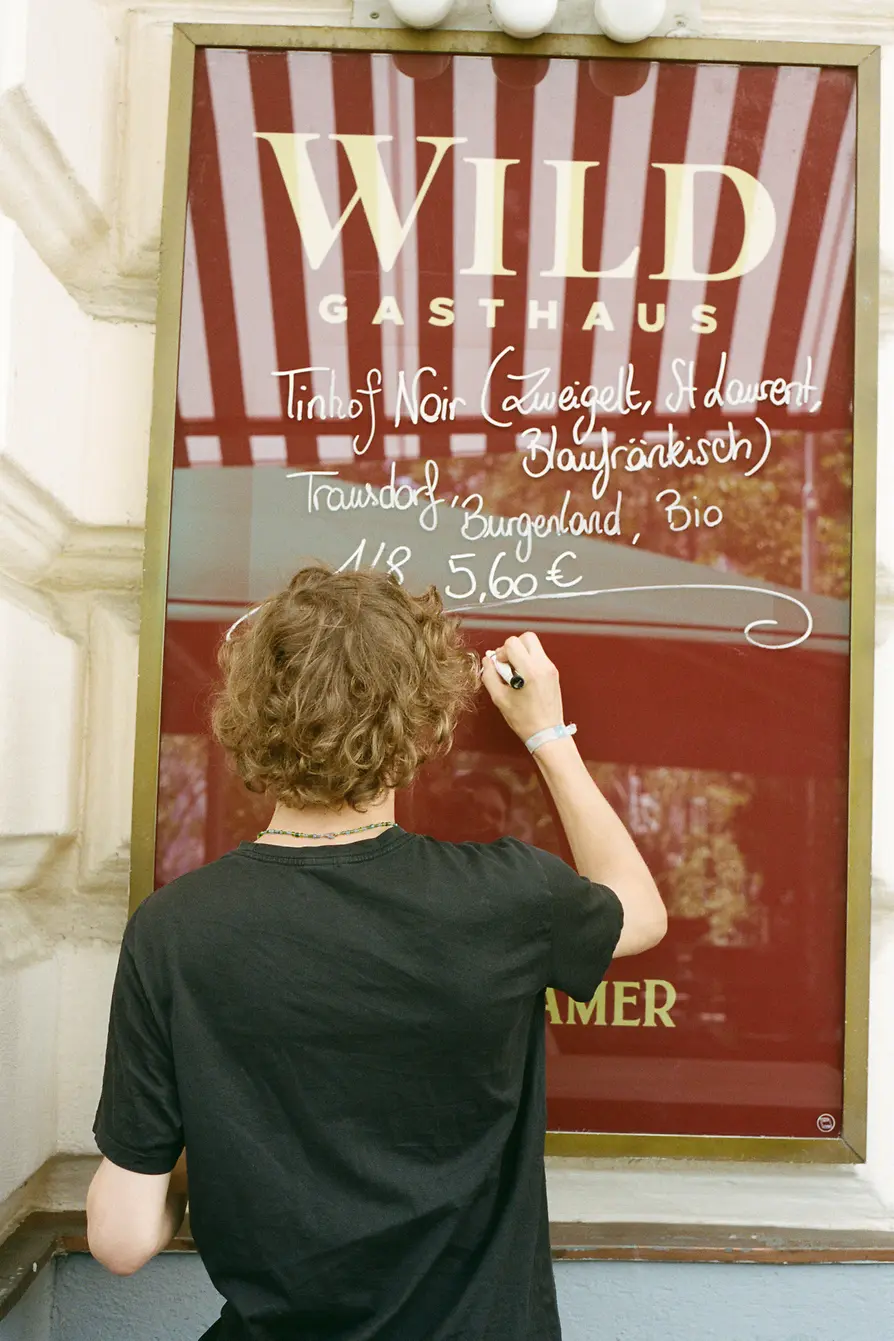
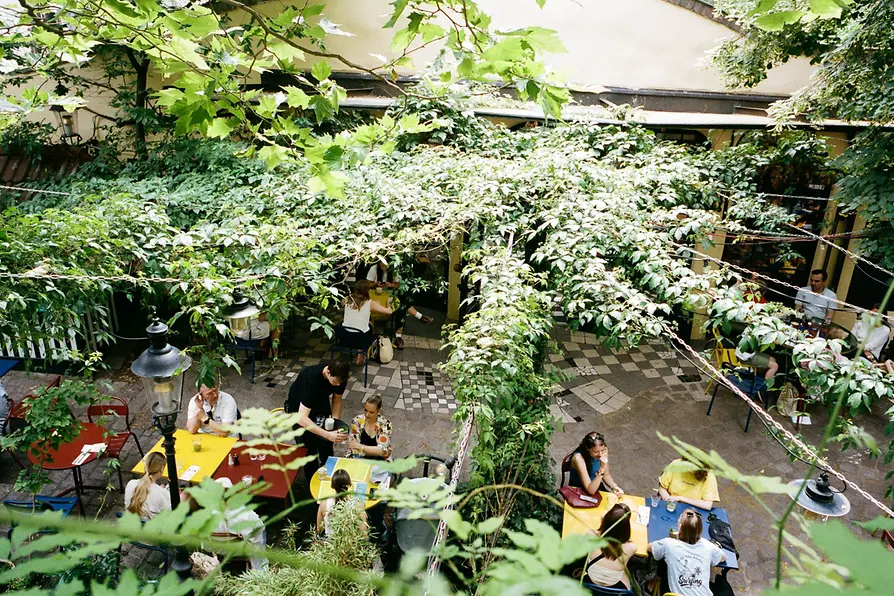
Radetzkyplatz itself is a lively meeting place with spacious outdoor seating and a wide range of places to eat and drink. Classic Viennese cuisine meets international influences and modern café culture here. Gasthaus Wild, for example, serves classic Viennese fare and seasonal specialties. Inside, it embraces every familiar feature of a traditional Viennese inn: from the bar counter to the wood paneling, it has it all. Right next door is Das Klee Restaurant & Café, also with a generous outdoor dining area. Across the street is Café Menta, a Mediterranean-Oriental spot with an extensive breakfast menu. In summer, its shaded terrace amid hydrangea bushes makes it an ideal brunch spot and very much lives up to its reputation as a neighborhood café.
Journeys through time on Löwengasse
Beneath the viaducts of the Vienna S-Bahn, the route leads from Radetzkyplatz into Löwengasse, where, between two snack bars, a decades-old stationery shop, now closed, recalls a time before digitilization and online retail.
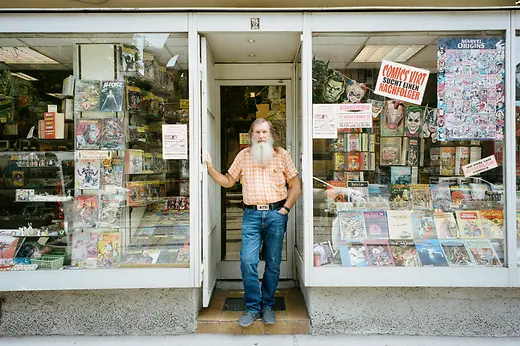
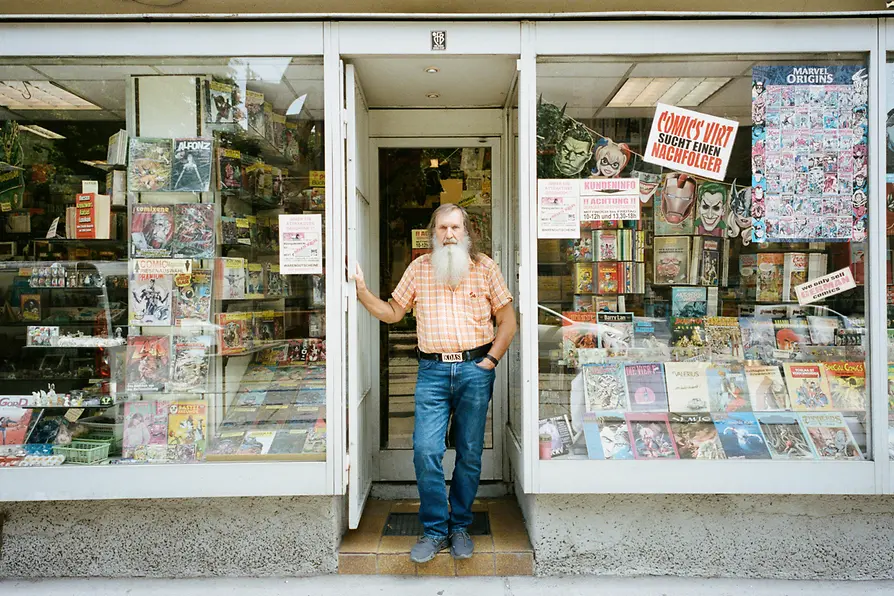
Farther along Löwengasse is a true original: the comic book store run by Franz Virt. For more than 40 years, it has been an institution for comic lovers. With an almost complete German-language selection and a deliberately nostalgic approach, the shop continues to defy the spirit of the times.
“If you can’t find it here, it probably hasn’t been published,” reads the sign in the display window — and Franz Virt confirms as much in person. His website dates back to 2000 and lists an immense selection of comics, magazines, and similar items. However, without a shopping cart. Instead, the site is as current as a daily newspaper: “We update the website almost every day. In the ‘brandaktuell’ section, new arrivals are online within an hour.” In the shop, comics from decades past are stacked high, featuring long-familiar protagonists. The Marvel dynasty, every generation of Star Wars, Lustiges Taschenbuch with Donald Duck and, of course, Garfield, Rantanplan, Lucky Luke and many more appear on the covers. Everything is in German — except for one box of English-language comics.
Also shaping the streetscape is the Kolonitzkirche, officially the parish church of St. Othmar unter den Weißgerbern, a neo-Gothic brick building by Friedrich von Schmidt, who also designed Vienna City Hall.
Italian-Danish mélange on Krieglergasse
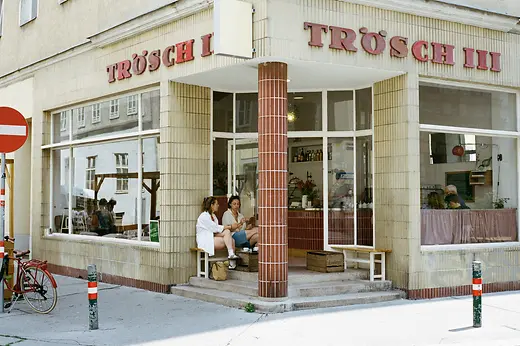
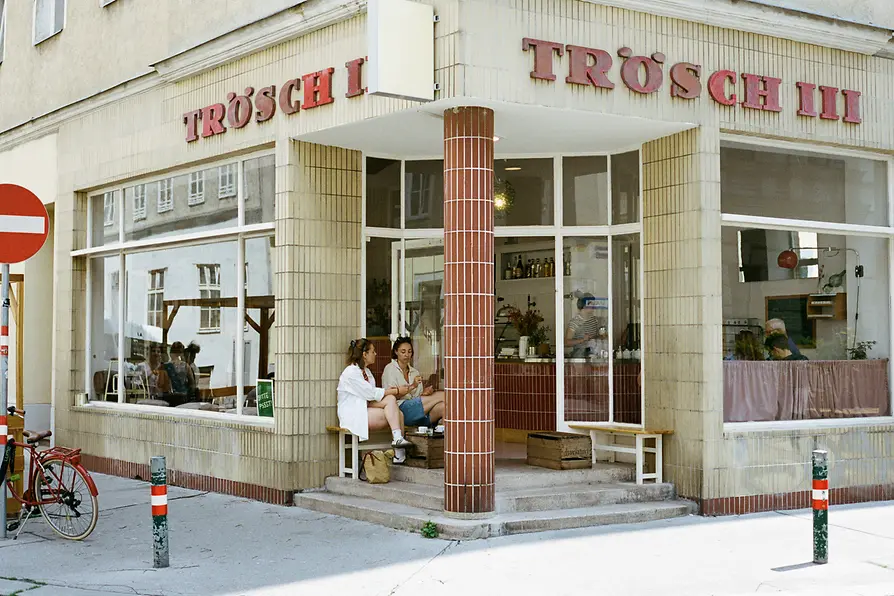
With Alice, which opened in 2025, the neighborhood has gained an exciting new addition. Set in a former dairy shop — the lettering above the entrance, “TRÖSCH III,” dates back to that era and refers to the former Landstraße central dairy — the venue combines Danish and Italian influences in a distinctive concept. Homemade focaccia, pastries and Danish specialties meet Italian coffee culture here.
On Krieglergasse, Masaniello is also well worth a visit. The restaurant sees itself as an homage to southern Italian cuisine and serves authentic Neapolitan dishes.
Architecturally noteworthy
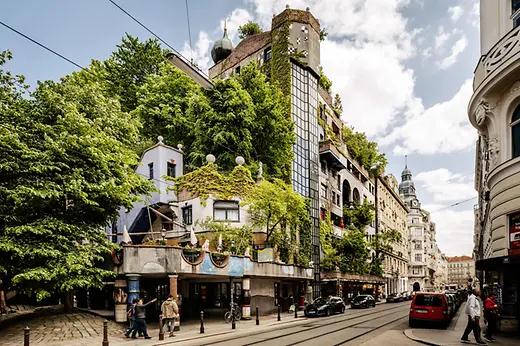
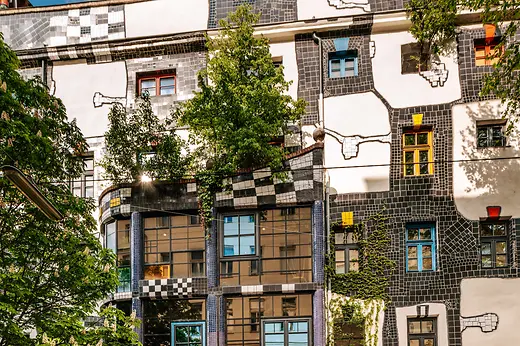
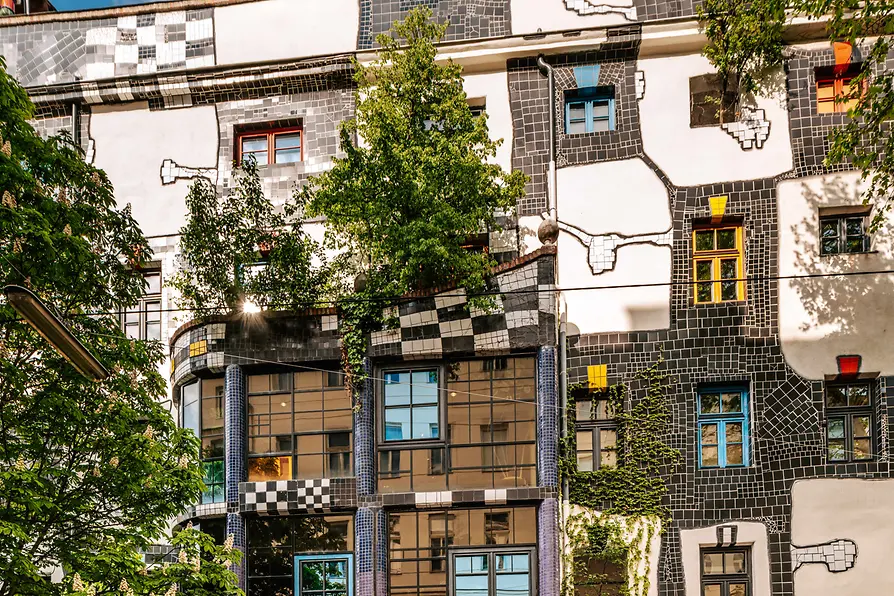
A central attraction is Kunst Haus Wien – the city’s only museum designed by Friedensreich Hundertwasser (1928-2000), which is open to visitors 365 days a year. On the ground floor, Café Friedlich invites guests to linger, with a planted outdoor garden and a creative interior. The atmosphere is entirely in the spirit of Hundertwasser. The mismatched Thonet chairs reference the museum building’s previous use as a furniture factory operated by the Thonet brothers, dating back to 1892.
From here, there is direct access to Weißgerberlände and the landscaped section of the Danube Canal. In 2002, the riverside path beside the road was named Hundertwasser Promenade . This is also where the boat landing is located. The pavilion, with its grass-covered roof and column installation, was designed on behalf of DDSG Blue Danube Schiffahrt GmbH for the landing stage of the MS Vindobona, the vessel designed by Hundertwasser.
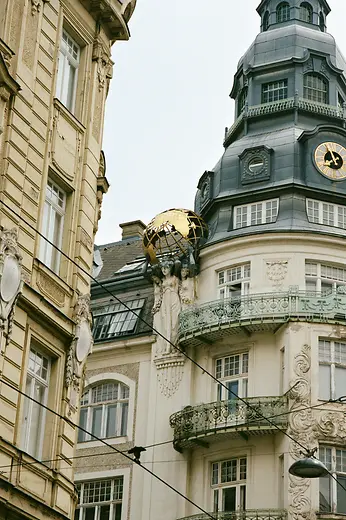
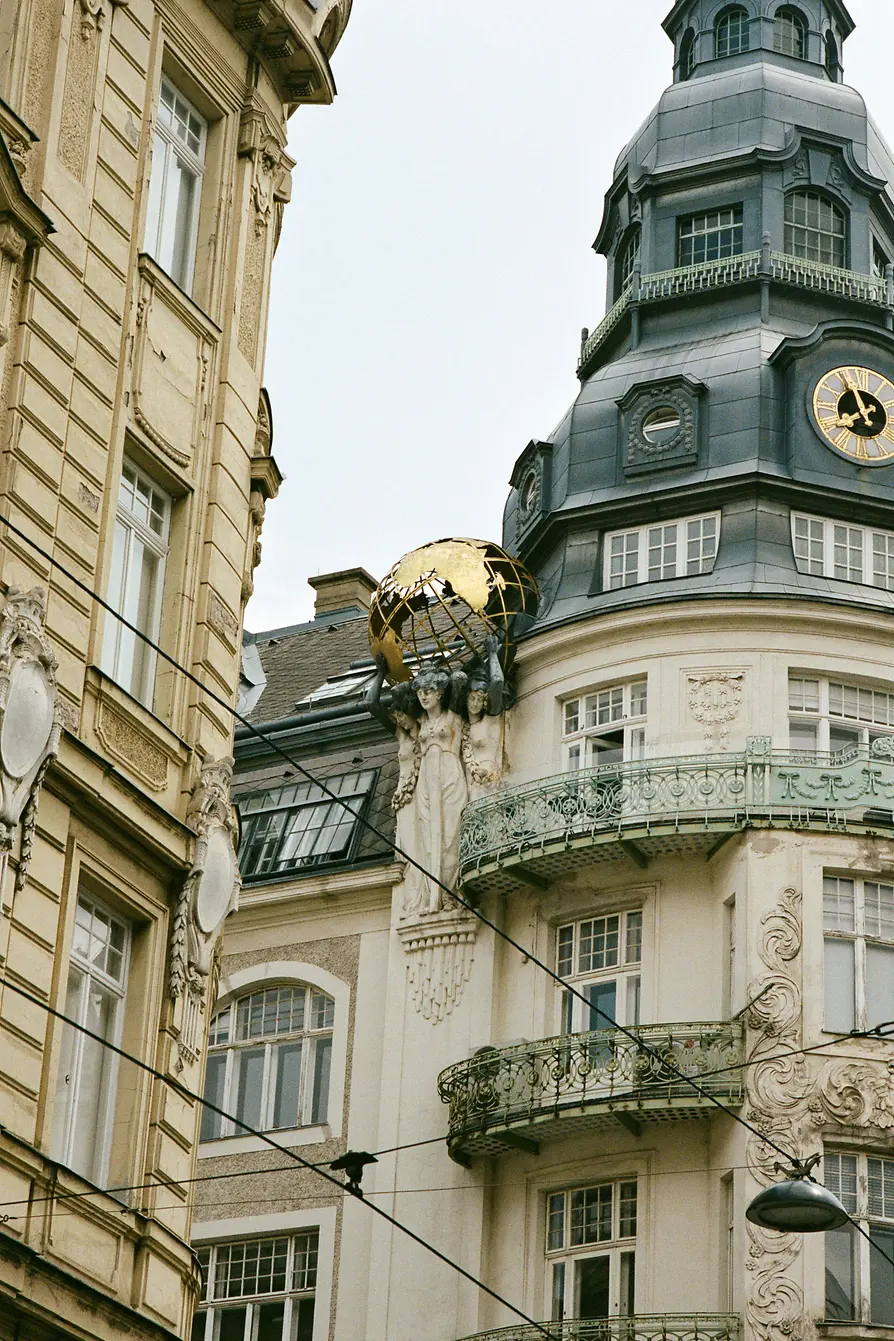
In addition to the Hundertwasserhaus, the Palais des Beaux Arts is another architectural highlight. Built in 1908/09 by Anton and Josef Drexler as the “Chic Parisien” fashion palace, the building combines elements of late Historicism and Art Nouveau. The golden globes on the façade allude to the international outlook of the fashion publisher at the time. It blends seamlessly into the streetscape of this fascinating neighborhood.
Addresses:
Gasthaus Wild, Radetzkyplatz 1, 1030 Vienna, gasthaus-wild.at
Das Klee, Radetzkyplatz 2a, 1030 Vienna, https://www.dasklee-restaurant.at/
Café Menta, Radetzkyplatz 4, 1030 Vienna, cafementa.at
Comics Virt, Löwengasse 19, 1030 Vienna, https://www.comics-virt.at/
Alice, Krieglergasse 8, 1030 Vienna, https://www.instagram.com/alice_wien
Masaniello, Krieglergasse 14, 1030 Vienna, https://www.masaniello.at
Kunst Haus Wien. Museum Hundertwasser, Café Friedlich, Untere Weißgerberstraße 13, 1030 Vienna, https://www.kunsthauswien.com/en/, https://www.friedlich.wien
DDSG Blue Danube Schiffahrt GmbH https://ddsg-blue-danube.at/?lang=en
Palais des Beaux Arts, Löwengasse 47 a, 1030 Vienna, https://www.palaisdesbeauxarts.at/
Download print-ready version
Download print-ready version
Download print-ready version
Download print-ready version
Download print-ready version
Download print-ready version
Download print-ready version
Download print-ready version
Download print-ready version
Contact
Helena Steinhart
Team Manager
+43 1 211 14-364
helena.steinhart@vienna.info