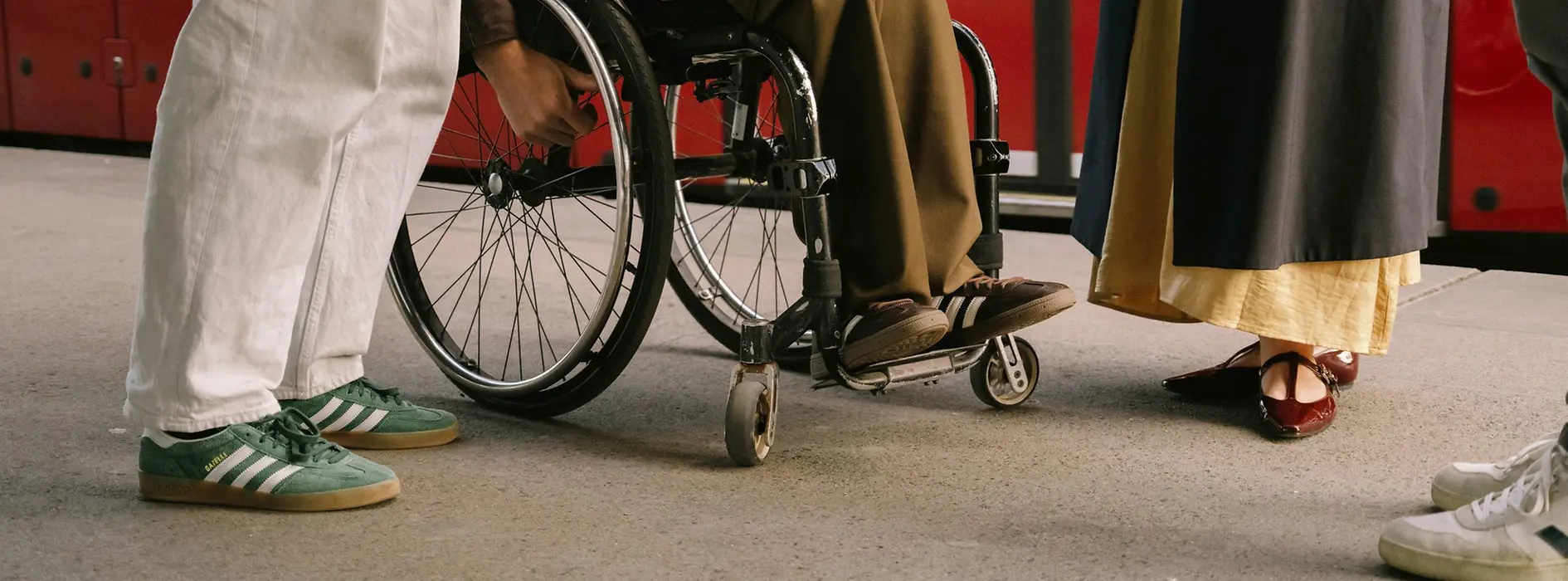
Personal Assistants, Sign Language Interpreters & Assistance Dogs
In addition to technical aids, people and animals can provide important support for guests with disabilities. These include personal assistants, sign language interpreters, and assistance dogs. They provide support in everyday situations and enable guests to participate in services and experiences as independently as possible.
Practical Tips
| Acknowledge the role of personal assistants | Personal assistants support guests, for example with access to rooms, luggage, or organizational processes. They act on behalf of the person they support and help enable self-determined participation. |
| Communicate directly | Always speak with the guest concerned. Personal assistants or interpreters should not be addressed in place of the person. |
| Understand sign language interpretation | Sign language is an independent language with its own grammar, communicated visually. Sign language interpreters translate between spoken and signed language, supporting accessible communication. |
| Respect confidentiality | Personal assistants and interpreters are generally bound by a duty of confidentiality. Conversations can therefore be conducted openly. |
Welcome assistance dogs
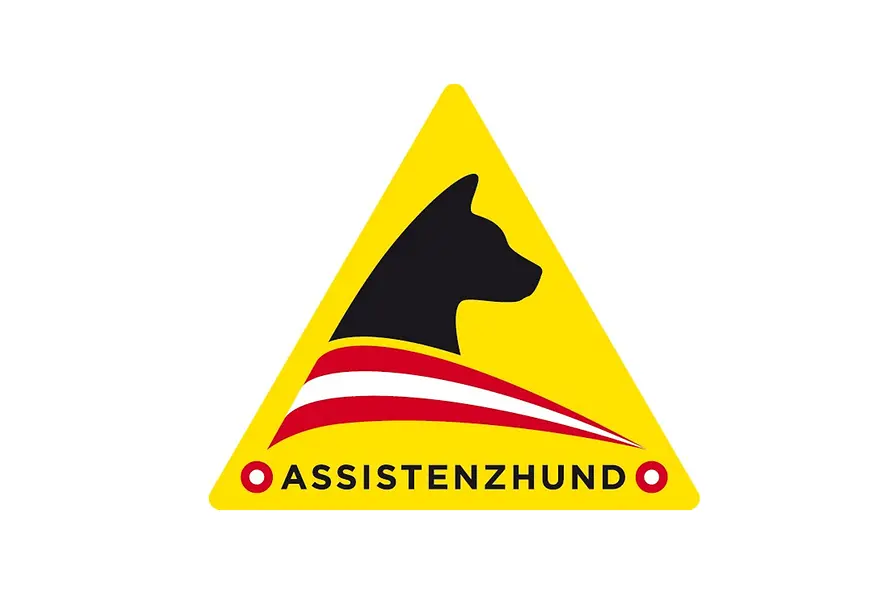
| Assistance dogs are recognized and important supports that accompany their owners in daily life. They are generally permitted access to all areas open to guests with the exception of hygiene-sensitive areas such as kitchens or storage rooms. In Austria, assistance dogs are typically identified by a vest or harness bearing the official logo of the Federal Ministry of Social Affairs and are registered in the disability pass. Further information: Legal Information — Assistance Dogs |