In an emergency, every second counts — and a good evacuation concept takes all guests into account, regardless of their mobility or disability. Clear procedures and well-considered plans are essential.
Core Requirements
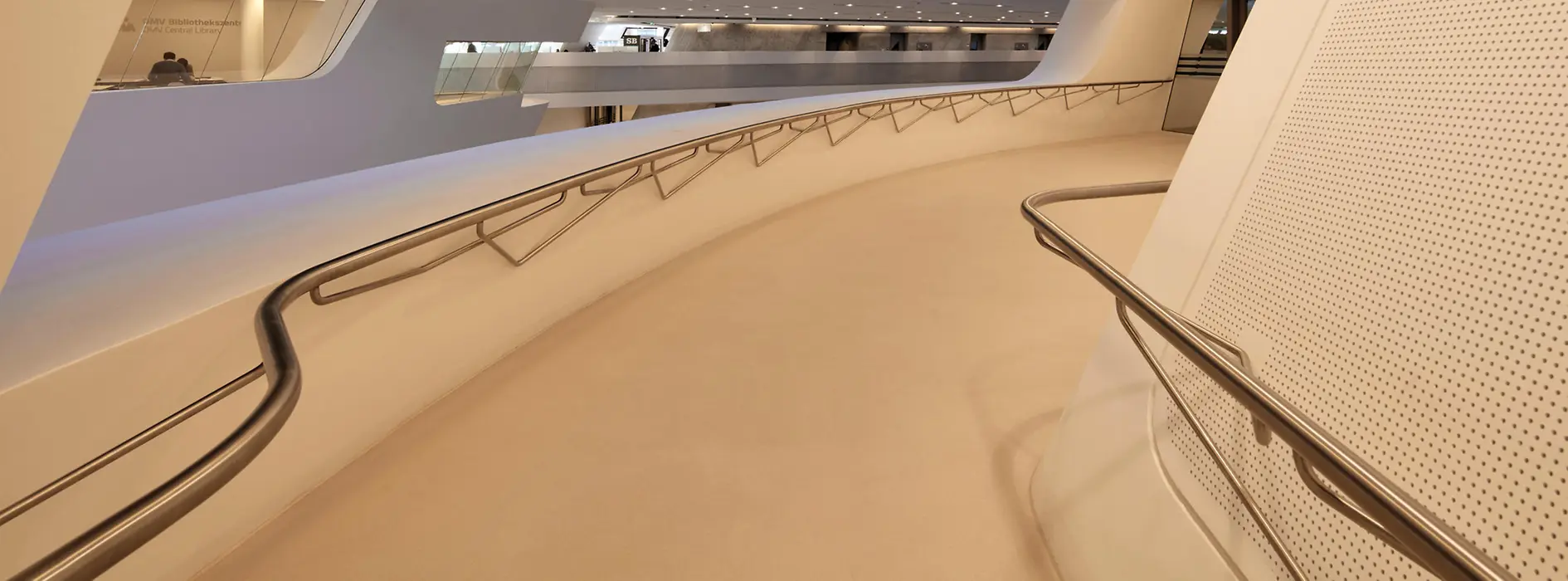
| Escape routes | Minimum 120 cm wide, step-free or with ramp (maximum 6% gradient), and free from obstacles |
| Emergency exits | Clearly recognisable, illuminated, signposted, and easy to open (panic hardware) |
| Alarm | Perceptible acoustically AND visually (two-sense principle) |
| Waiting areas | Safe areas for people who cannot use stairs |
| Concept | Evacuation planning that includes all guests |
Practical Tips
| Keep evacuation plans up to date | Check escape and rescue plans regularly: clearly visible, in large print, with sufficient contrast — and is the viewer’s location clearly marked? Only current and understandable plans provide orientation in an emergency. |
| Keep routes clear | Consistently check and keep escape routes and emergency exits clear. Even small obstacles can become a risk in an emergency and delay evacuation. Emergency exits must never be blocked. |
| Train procedures | Conduct evacuation drills regularly, specifically including different scenarios — such as supporting people with mobility impairments, identifying safe waiting areas, and clarifying who is responsible for which area. |
| Clarify responsibilities | Designate specific staff members as evacuation assistants who are assigned by name in an emergency. Regular training ensures everyone knows what to do. |
| Extend alarm systems | Retrofit strobe lights in corridors, public areas, and accessible rooms — these are essential for deaf guests in an emergency. |
| Provide assistive equipment | Procure evacuation chairs and train staff in their use. Only practised application enables safe and swift evacuation. |
| Create safe waiting areas | For new builds or renovations, plan protected waiting areas with communication options so guests can safely await assistance in an emergency. |