Vienna Press Release – March 2026 Around ESC 2026: the Wiener Stadthalle neighborhood
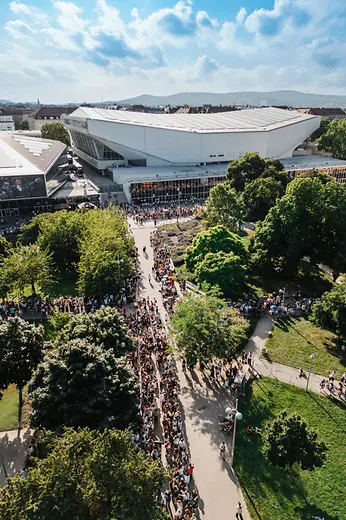
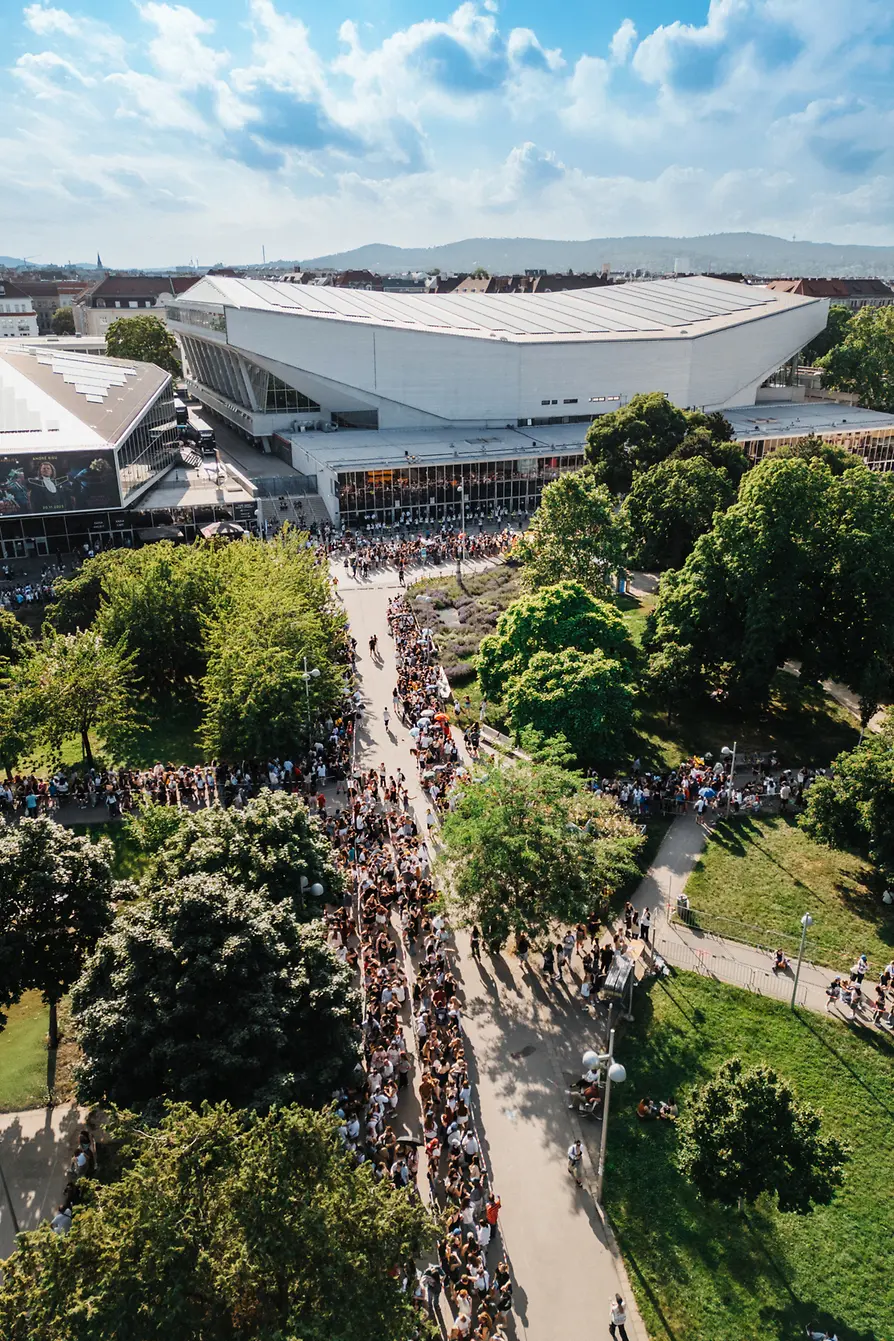
“A UFO has landed in Vienna,” was the comment at the official opening ceremony of the Wiener Stadthalle on June 21, 1958, due to the striking wing-like construction of the main building. Rainer’s design was primarily driven by practical considerations. The tent-like steel roof, measuring 100 by 100 meters, slopes down in the middle. This is partly to draw the eye to the action from the upper tiers of the stands, and partly to improve heating, ventilation, acoustics, and to create a more compact perception of the space. The building’s silhouette is also reflected in the company logo and even on the seating in front of the entrances. What’s more, the “Stadthallen armchair” designed by Rainer is one of the most significant pieces of furniture in Austrian design history and is now highly prized.
Austria’s largest event center
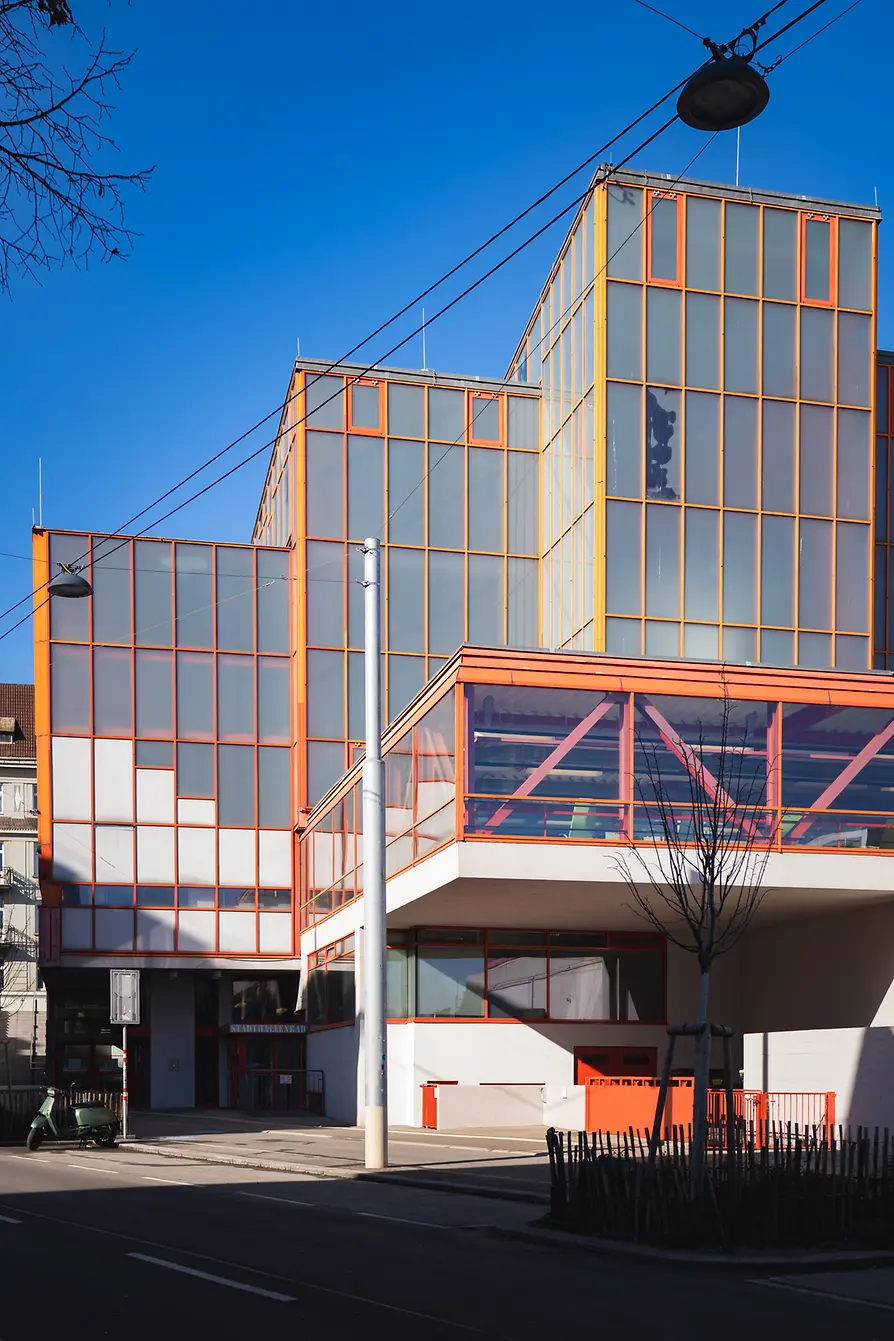
The site comprises a total of three multi-purpose halls. The largest hall, Hall D, has a capacity of up to 16,000 visitors for concerts. This is also where the live shows of the Eurovision Song Contest take place. Due to its large audience capacity, modern technical equipment, and variable hall design, Hall D is the first choice for this mega-event. Two sports halls, an ice rink, and a swimming pool with a striking red roof structure also make the town hall a versatile sports center. There are also rooms available for exhibitions, ensuring that the venue offers a particularly diverse program of events. With around one million visitors attending over 300 events, the Stadthalle is one of the top ten arenas in Europe. In the Märzpark in front of the entrance gates stands a stone sculpture by Austria’s most important sculptor, Fritz Wotruba: “Große stehende Figur” (Large Standing Figure) dating from 1958.
Rudolfsheim – a suburban district
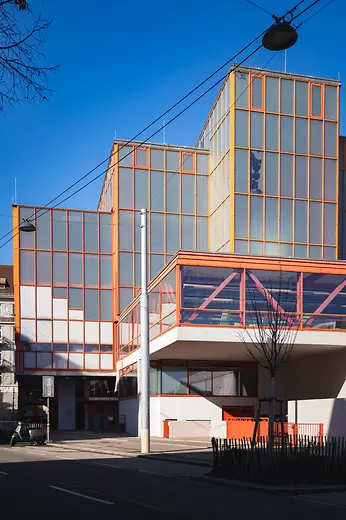
One of Vienna’s most important arterial roads, the Gürtel, divides the city into city-center and suburban districts. Rudolfsheim, the neighborhood surrounding the Wiener Stadthalle, is one of the suburban districts and is a residential area with many restaurants and cafés that are particularly popular with Viennese locals. These are still hidden gems for tourists. The options are wide-ranging. The Vienna Main Library towers above the Urban-Loritz-Platz transport hub. Designed by Viennese architect Ernst Mayr, around 100 steps lead up to the entrance. These steps are also a popular place to hang out and socialize. Up on the roof is Oben, a restaurant and bar that focuses on seasonal and organic food and offers a magnificent view. A few steps further on, there is also an open-air cinema on the roof during the summer months. Street food reigns supreme at the edge of the sail-shaped roof structure on Urban-Loritz-Platz. The Speisekammer sausage stand and Dönermeister kebab shop impress with the quality of their meat and plant-based options. The path to the Wiener Stadthalle leads through Märzpark. And behind it lies a true culinary Grätzel (as Vienna’s neighborhoods are also known).
A hidden neighborhood hub
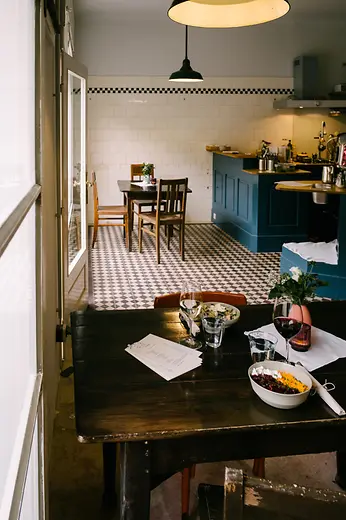
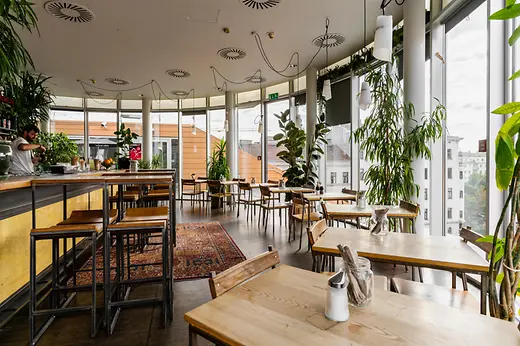
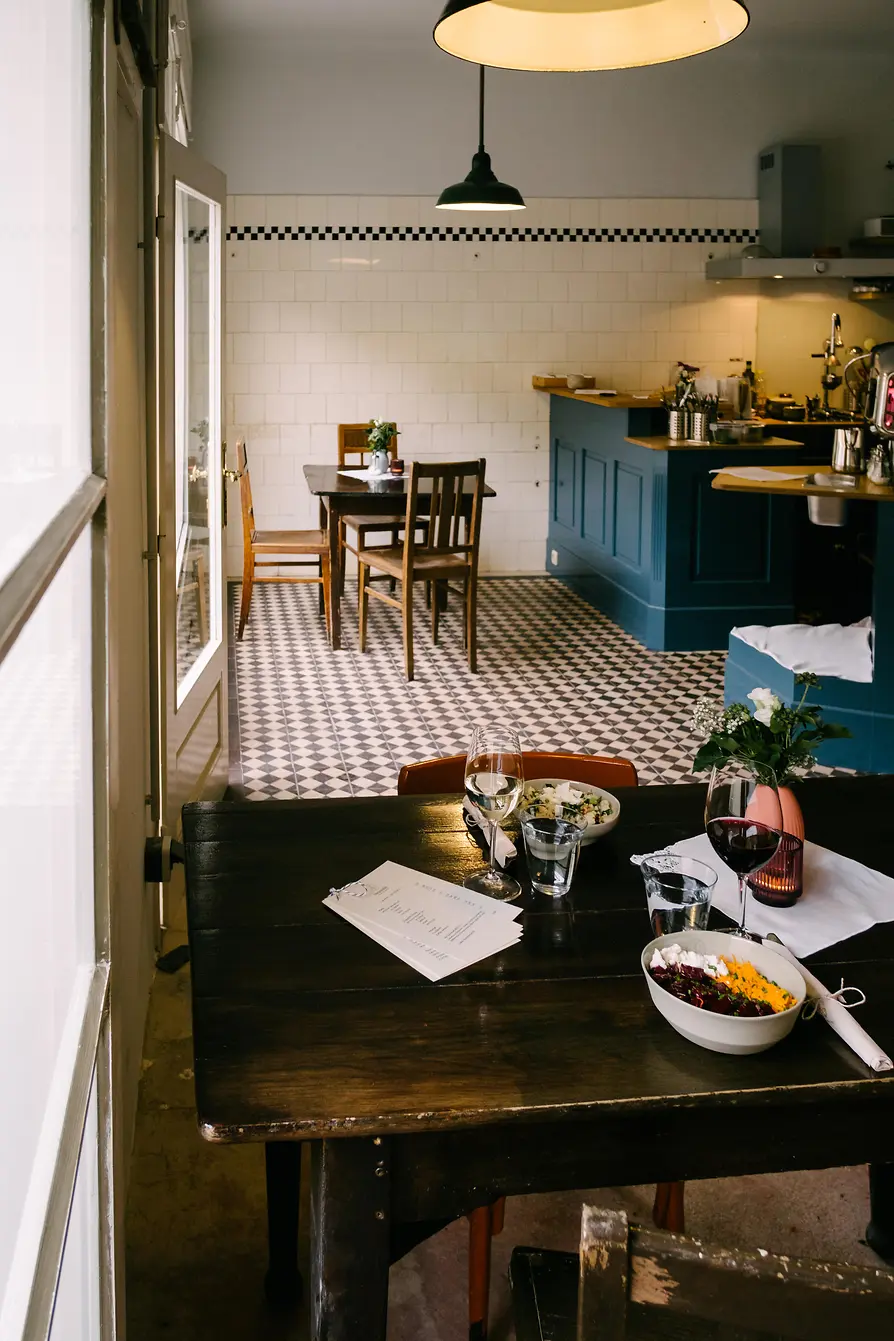
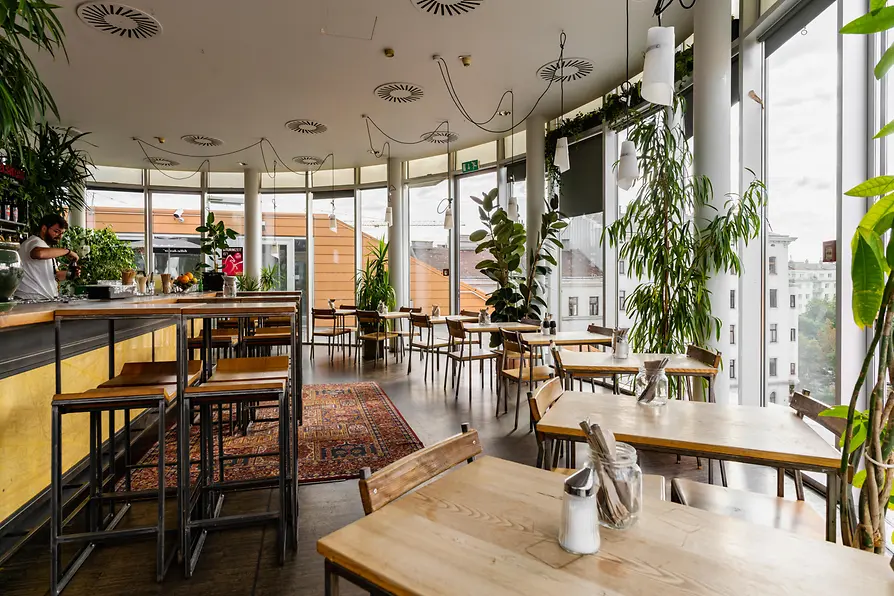
The quiet Kriemhildplatz, just a few minutes’ walk from the Wiener Stadthalle, has established itself as a popular meeting place in the neighborhood. Café Kriemhild and Pizzeria Madre are located next to each other here. Architecturally, little has changed from their predecessors – a classic Viennese coffee house and tavern. The culinary offerings and, above all, the atmosphere have been rejuvenated, appealing to a new, creative target group. Across the street is franzundjulius, which is just as charming but with a modern interior and offers coffee, breakfast, pastries, and small snacks. The well-stocked Buchkontor bookstore offers new reading material. And fans of vintage fashion will find new (or rather old) treasures at Euro Baby, just a short walk away on Markgraf-Rüdiger-Straße.
Culinary diversity along Märzstraße
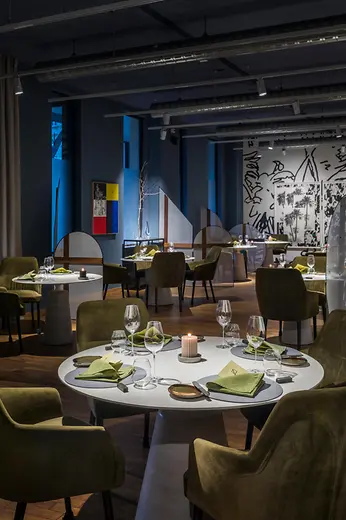
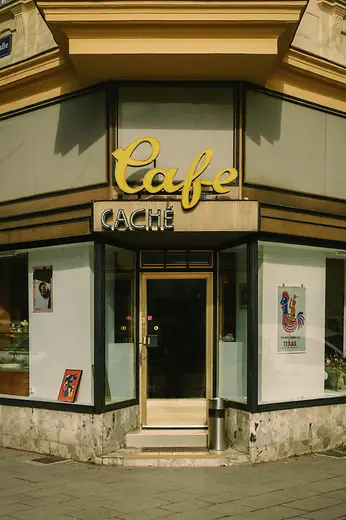
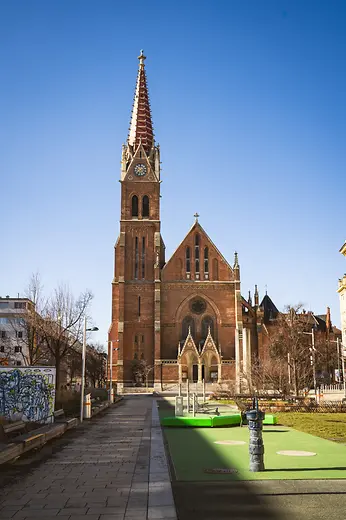
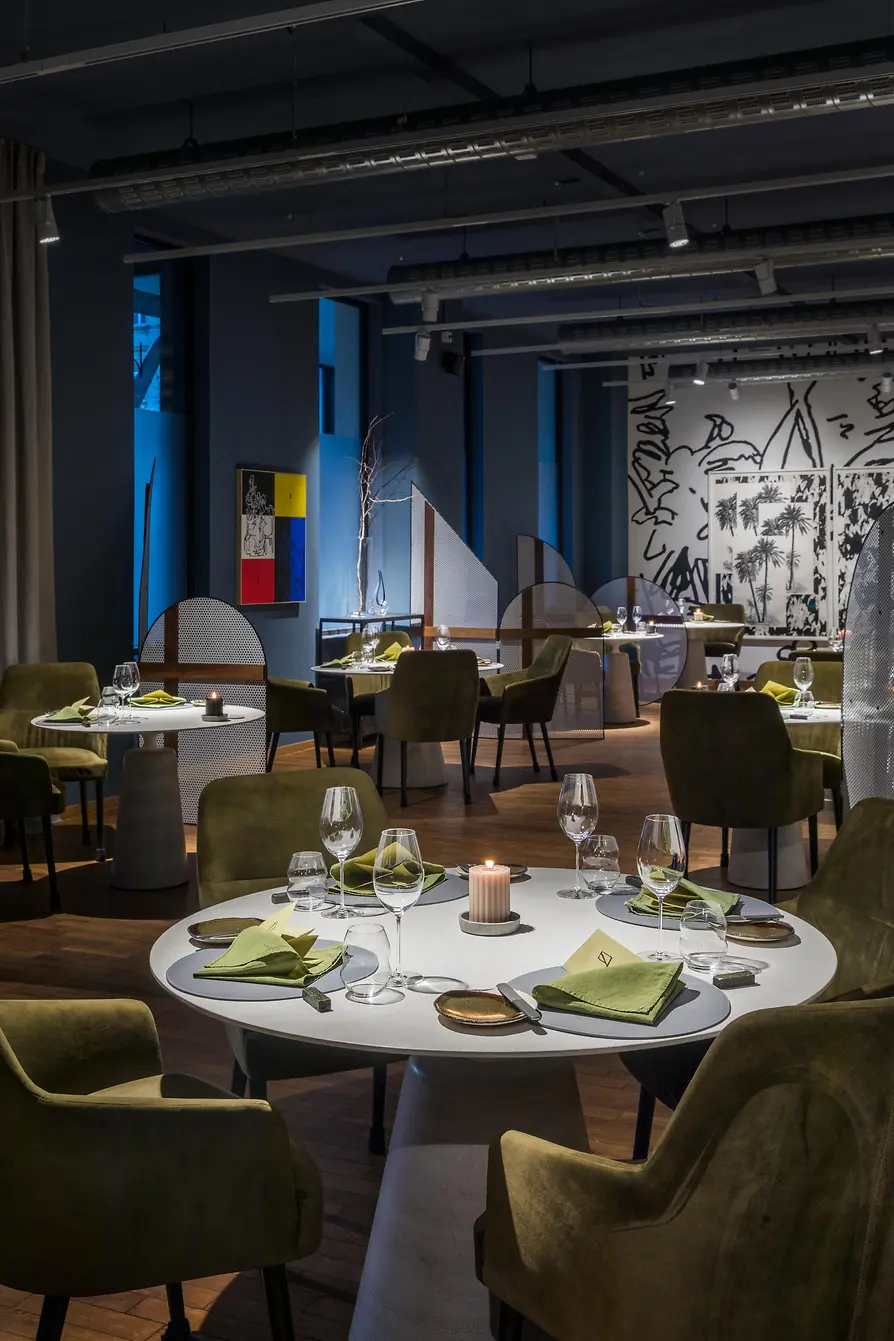
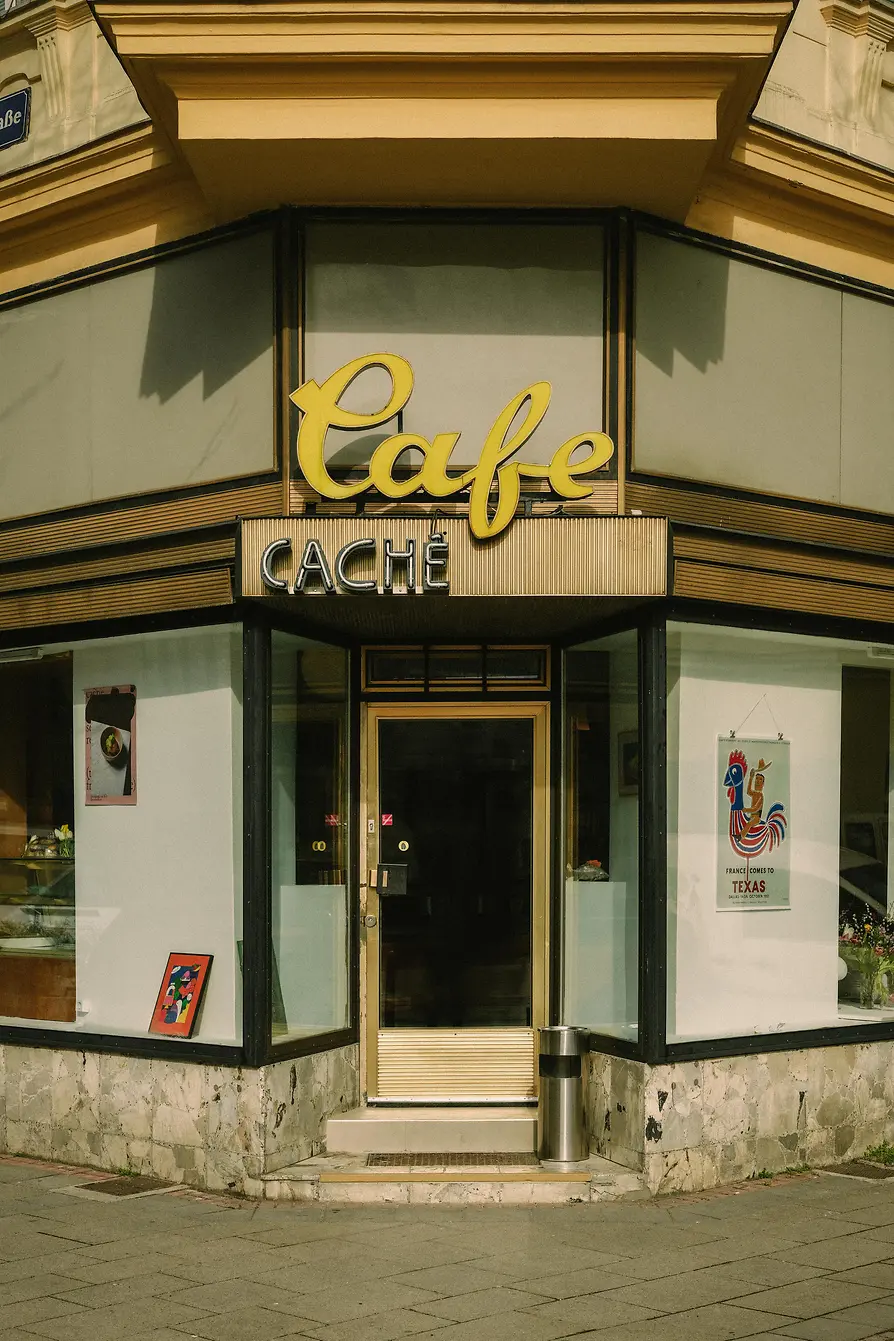
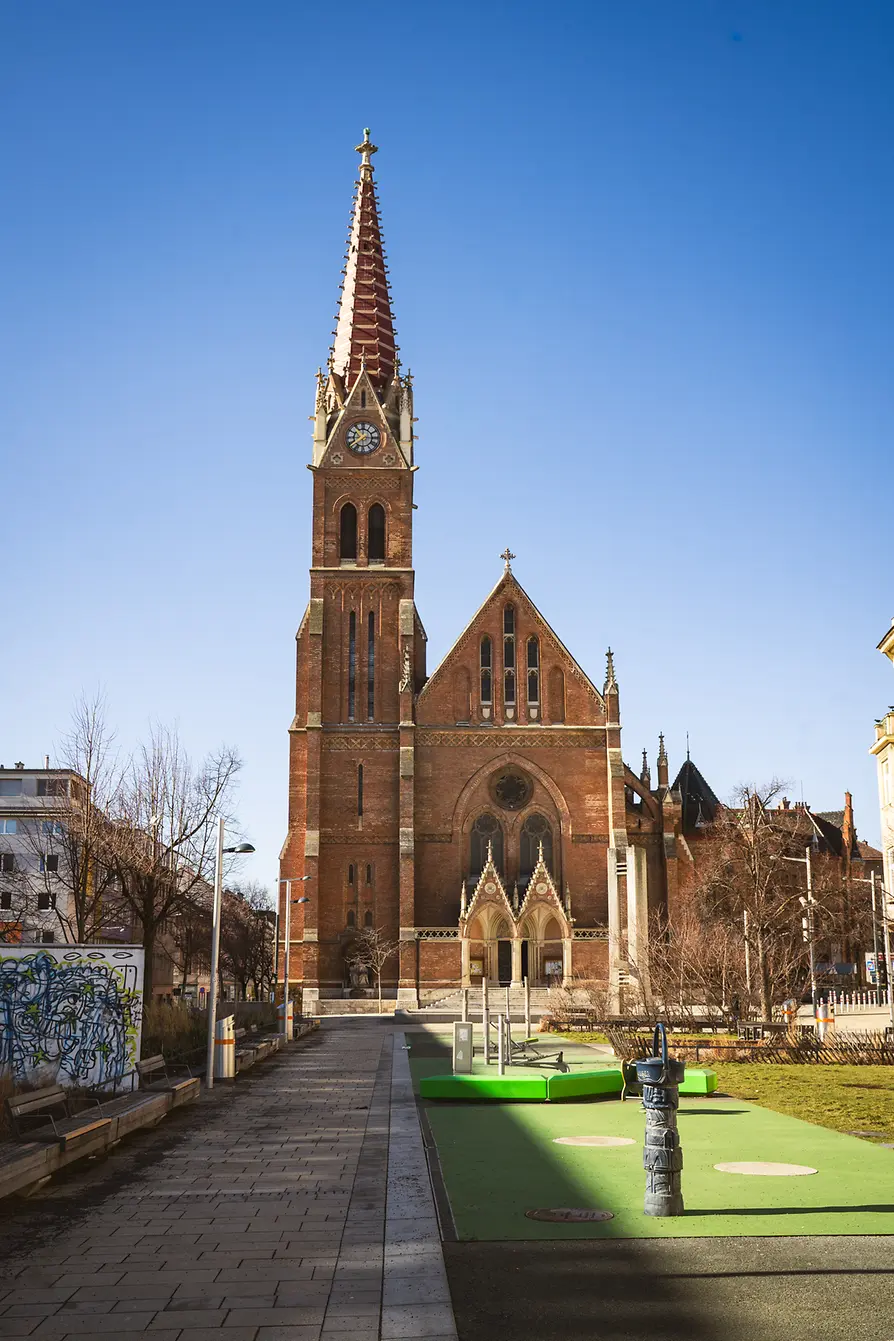
Leaving Vienna’s Gürtel ring road, Märzstraße leads directly to the next neighborhood square: Kardinal-Rauscher-Platz with its impressive red brick Rudolfsheim Catholic Church. At first glance, Bar Exil seems unassuming, but it’s the perfect place for a quiet evening with friends. At Café Caché, a former suburban coffee house with retro flair, Lisa Machian cooks with a French touch. The iconic Gasthaus Augustin, with its living room atmosphere, is also home to a cat or two. Within walking distance of the church, Rudolfsheim also offers the Herzig restaurant, a fantastic gourmet destination (one Michelin star), and the Schutzhaus Zukunft on the Schmelz, a leafy beer garden away from the hustle and bustle of the city.
Westbahnhof hub
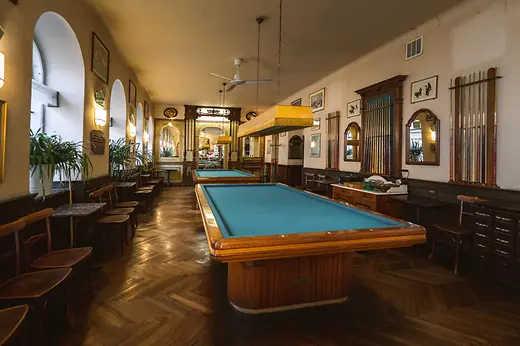
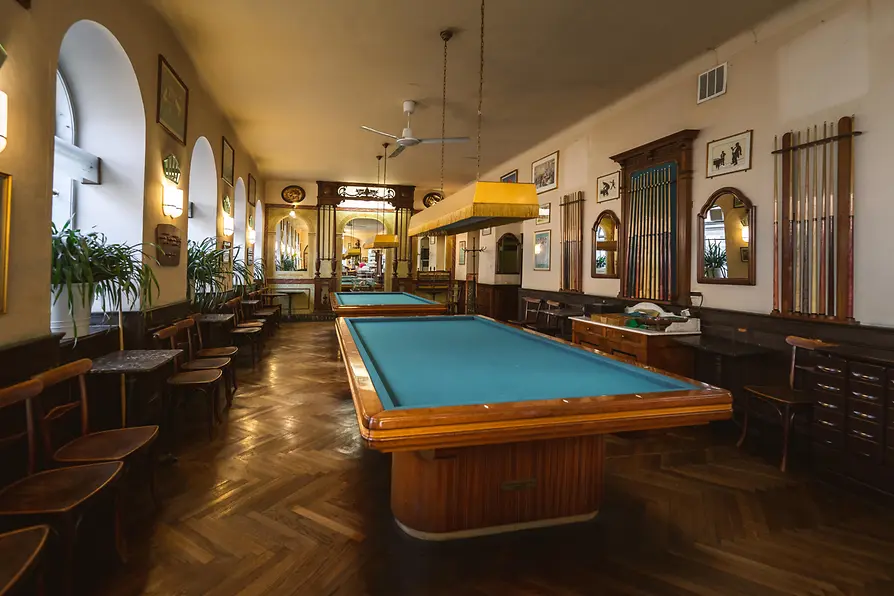
The 208-meter-long Rustensteg pedestrian bridge offers an exciting view of the dense network of tracks at Vienna Westbahnhof Station. In the immediate vicinity, in a former printing plant belonging to the Austrian Federal Railways, the Glasfabrik offers antique shopping and a coffee corner on three spacious floors. Café Weingartner on the corner of Löhrgasse and Goldschlagstraße is a classic Viennese coffee house where visitors can also play billiards. The Boutiquehotel Stadthalle by cocoon on Hackengasse is a true pioneer in sustainability. It was the first hotel in the world to commit to the United Nations’ Sustainable Development Goals and also charms guests with its green courtyard and many vintage and upcycled accessories and furnishings. And for lovers of shabby chic, Café Mausi around the corner on Märzstraße is the first choice for drinks – with or without a visit to an event at the Wiener Stadthalle beforehand.
Addresses:
Wiener Stadthalle, Roland-Rainer-Platz 1, 1150 Vienna, www.stadthalle.com
Hauptbücherei Wien, Urban-Loritz-Platz 2a, 1070 Vienna, www.buechereien.wien.at
Oben, Küche & Bar, Urban-Loritz-Platz 2A, 1070 Vienna, oben.at
Kino am Dach, www.gogogo.at/kinoamdach
Speisekammer, Urban-Loritz-Platz, 1070 Vienna, www.instagram.com/speisekammer.wien
Dönermeister, Neubaugürtel 38, 1070 Vienna, donermeister.at
Café Kriemhild, Markgraf-Rüdiger-Straße 14, 1150 Vienna, www.instagram.com/cafe.kriemhild
Pizzeria Madre, Markgraf-Rüdiger-Straße 12, 1150 Vienna, pizzamadre.at
Franzundjulius, Kriemhildplatz 1, 1150 Vienna, www.franzundjulius.at
Buchkontor, Kriemhildplatz 1, 1150 Vienna, www.buchkontor.at
Euro Baby, Markgraf-Rüdiger-Straße 1, 1150 Vienna, www.instagram.com/1eurobaby
Bar Exil, Märzstraße 66, 1150 Vienna, exilbar.at
Café Caché, Meiselstraße 2, 1150 Vienna, cafecache.at
Das Augustin, Märzstraße 67, 1150 Vienna, dasaugustin.wpcomstaging.com
Gasthaus Jagetsberger, Märzstraße 87, 1150 Vienna, www.anna-jagetsberger.at
Restaurant Herzig, Schanzstraße 14, 1150 Vienna, www.restaurant-herzig.at
Schutzhaus Zukunft auf der Schmelz, Guntherstraße, 1150 Vienna, www.schutzhaus-zukunft.at
Glasfabrik, Felberstraße 3, 1150 Vienna, www.glasfabrik.at
Café Weingartner, Goldschlagstraße 6, 1150 Vienna, www.weingartner.co.at
Boutiquehotel Stadthalle by cocoon, Hackengasse 20, 1150 Vienna, www.hotelstadthalle.at
Café Mausi, Märzstraße 25, 1150 Vienna, www.instagram.com/cafe.mausi
Download print-ready version
Download print-ready version
Download print-ready version
Download print-ready version
Download print-ready version
Download print-ready version
Download print-ready version
Download print-ready version
Contact
Helena Steinhart
Team Manager
+43 1 211 14-364
helena.steinhart@vienna.info