Vienna Press Release – March 2026 Opening of Villa Beer: beauty for everyone
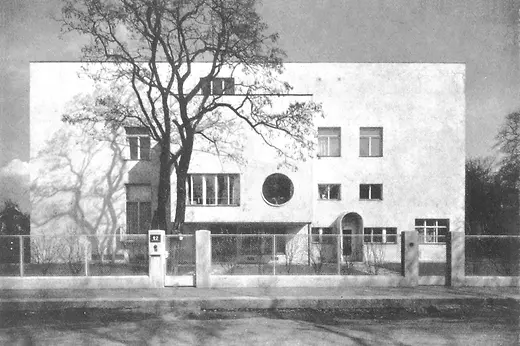
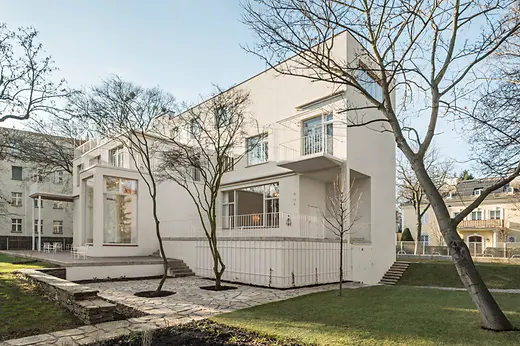
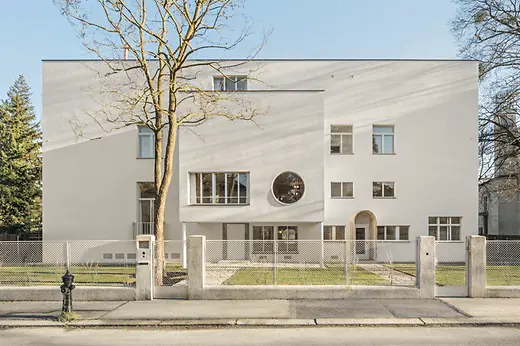
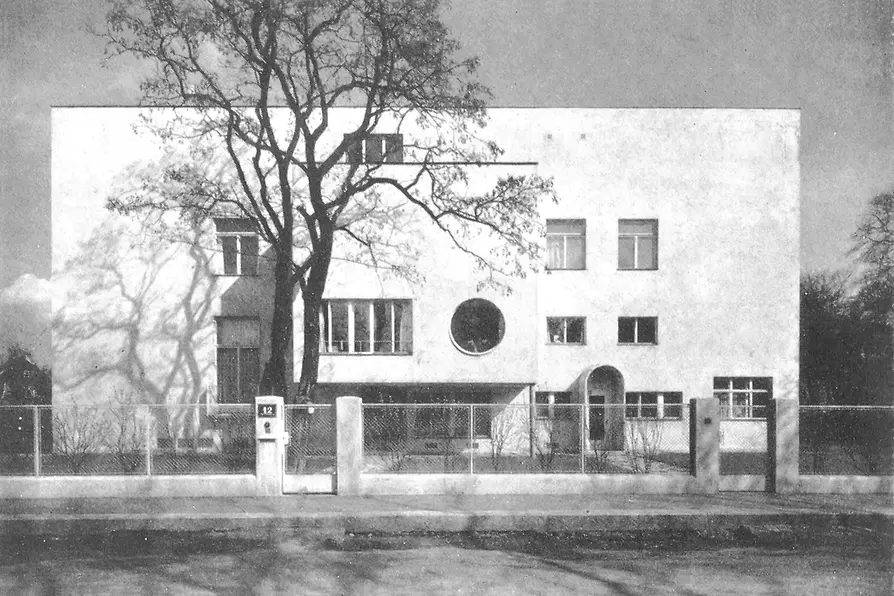
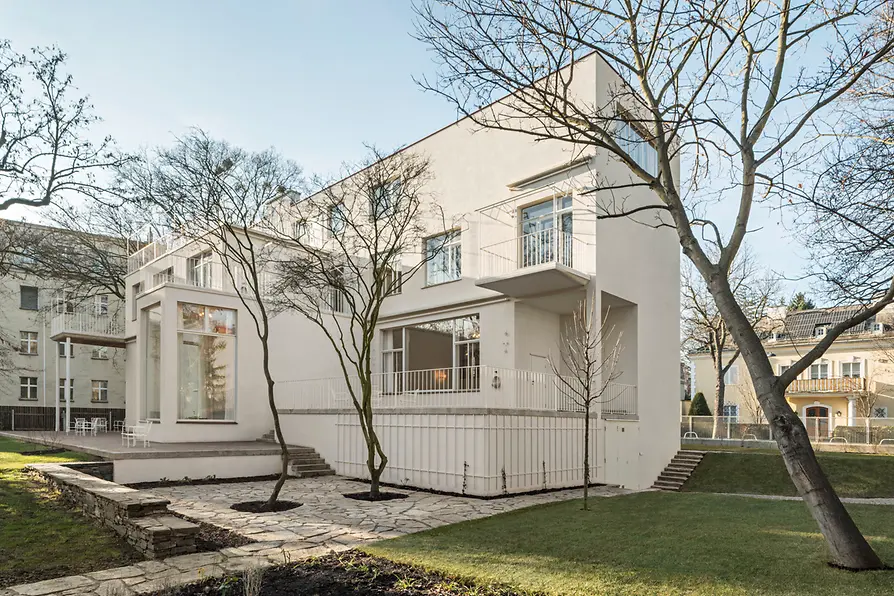
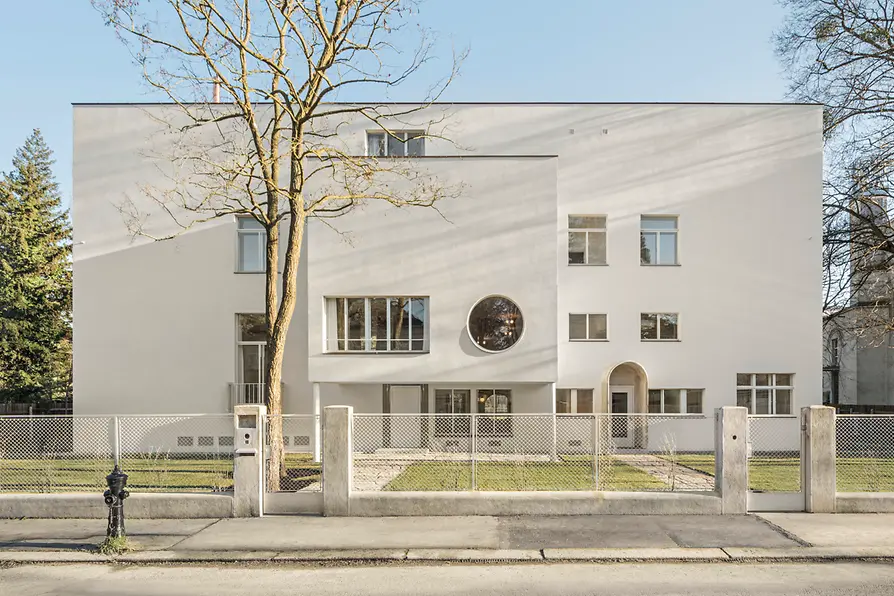
Villa Beer is located in the heart of Hietzinger Cottage, an affluent residential area not far from Schönbrunn. One of Vienna’s most impressive buildings from the interwar period, constructed in 1929/1930 by Josef Frank and Oskar Wlach, the villa is considered a masterpiece of “Second Viennese Modernism,” the era of social democratic “Red Vienna” between 1919 and 1934. It is often mentioned in the same breath as Ludwig Mies van der Rohe’s Villa Tugendhat in Brno and Le Corbusier’s Villa Savoye near Paris.
The mastermind behind the project, Josef Frank (1885-1967), was a leading figure in the Viennese architecture and design scene and was known for placing people at the center of his work. His motto was “Modern is whatever gives us the greatest possible freedom.” He was responsible for several municipal housing projects in Vienna, as well as the Werkbund Estate, also located in Hietzing. In 1933, Josef Frank emigrated to Sweden and became a celebrated designer for the company Svenskt Tenn. His fabric designs, furniture designs, and visionary living spaces are still revered internationally today. He is also often referenced by Ikea. Josef Frank intended Villa Beer to be his monument in Vienna.
Open to all after full renovation
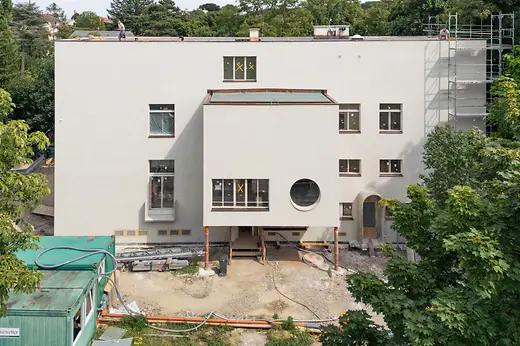
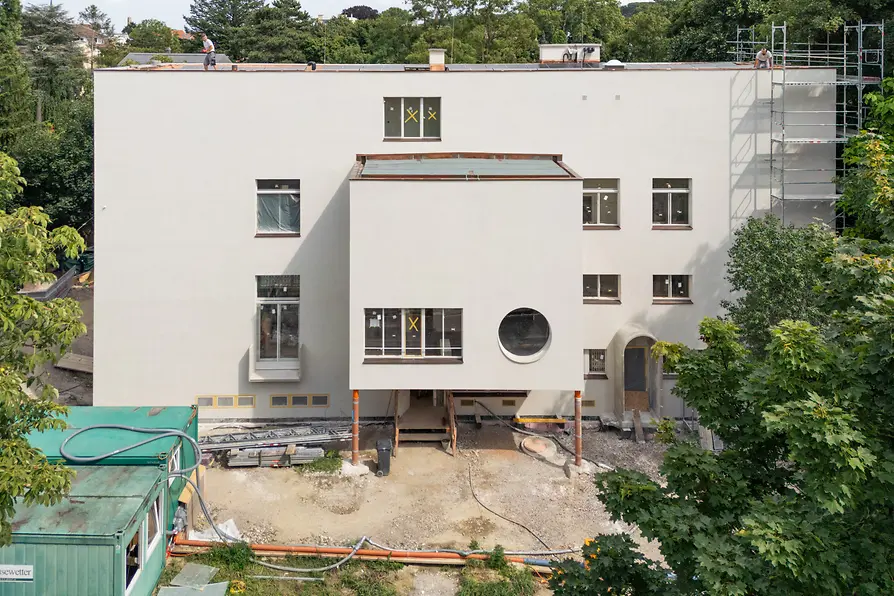
This architectural gem has remained virtually unchanged over the decades, but was in danger of falling into disrepair. Starting in early 2024, the four-story villa with 900 square meters of floor space and its gardens underwent extensive renovation, carried out with great care and attention to detail in keeping with the building’s heritage status. Everything was to be restored as faithfully as possible to its original state and brought up to modern standards. This required meticulous research, including outside Austria. The project cost around ten million euros. The project was backed by the Villa Beer Foundation gemeinnützige GmbH, headed by Lothar Trierenberg, who acquired the villa in 2021 with the aim of opening it to the public. What’s more, the villa is to be filled with life in the future, and visitors are expressly permitted to touch the furnishings. This will transform the formerly private upper-class dream home into a villa that everyone can experience.
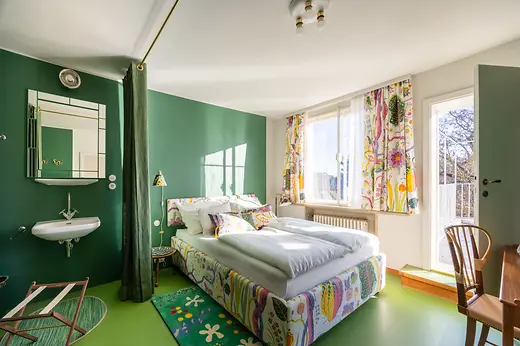
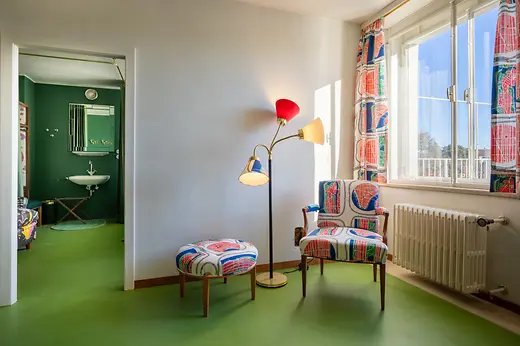
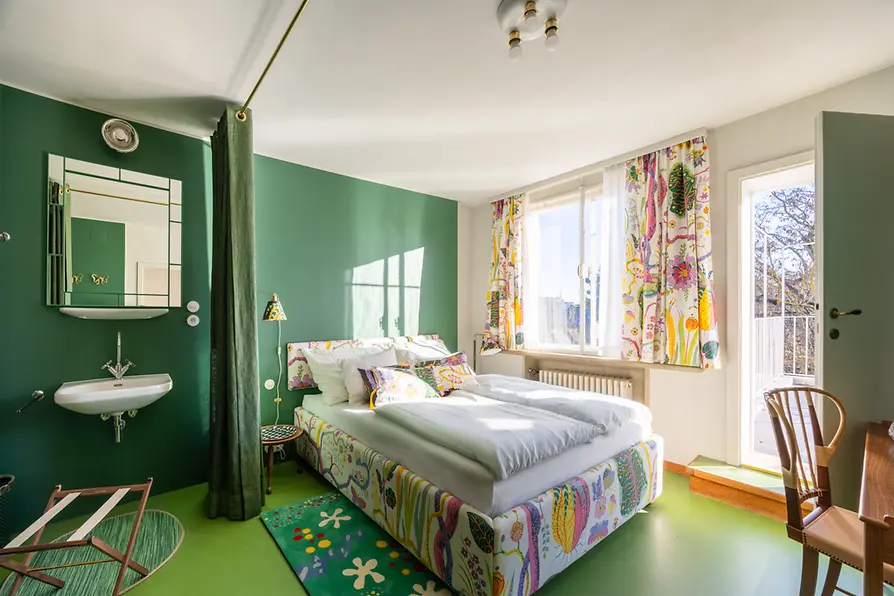
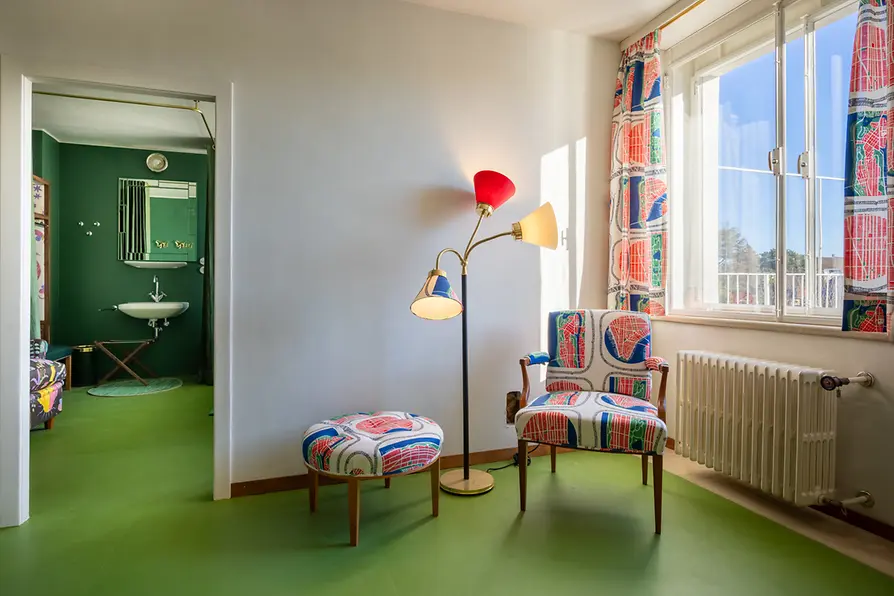
Villa Beer will be open to the public from March 8. Guided tours in several languages (between Wednesday and Sunday and on request) will be offered, as well as time slot tickets for visitors to explore the building on their own. In future, the villa will also be used as an event venue for exhibitions, music, dance, readings, discussions, and much more. The basement offers facilities for meetings. Collaborations with Viennese cultural events (e.g., Impulstanz, Wien modern) are being explored. Overnight accommodation is also available – there are three guest rooms in the attic, furnished with furniture from Svenskt Tenn. They are also intended to be made available to artists in residence.
Revolutionary spaces
In the nearly 100 years of its existence, the villa has changed hands several times. Jewish industrialist Julius Beer and his wife Margarethe had it built, but soon had to rent it out due to financial difficulties. Later, cultural figures such as opera tenor Richard Tauber, singer and actress Martha Eggerth, and dramaturge and opera expert Marcel Prawy lived here. After the war, the British Army used the villa for a time. It has been a listed building since 1987.
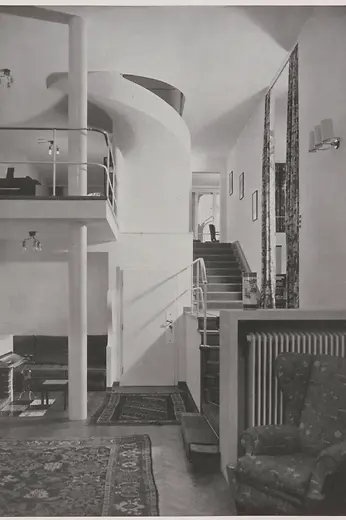
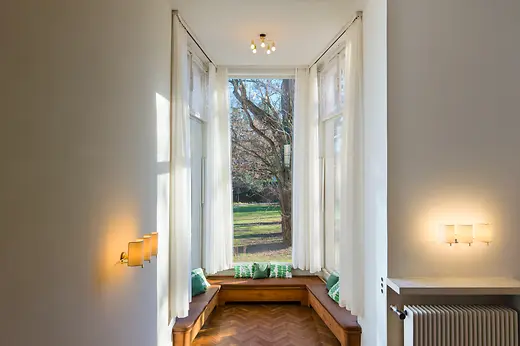
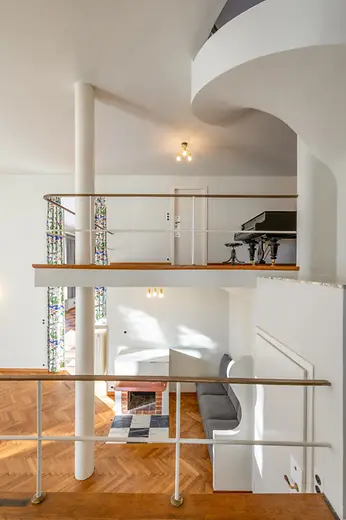
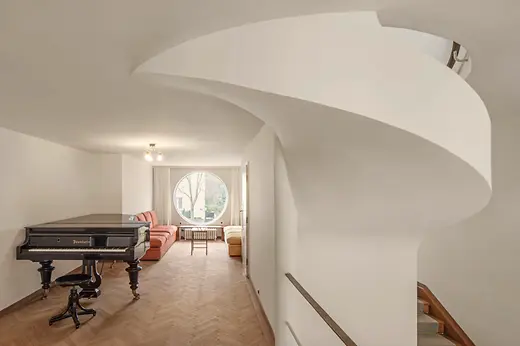
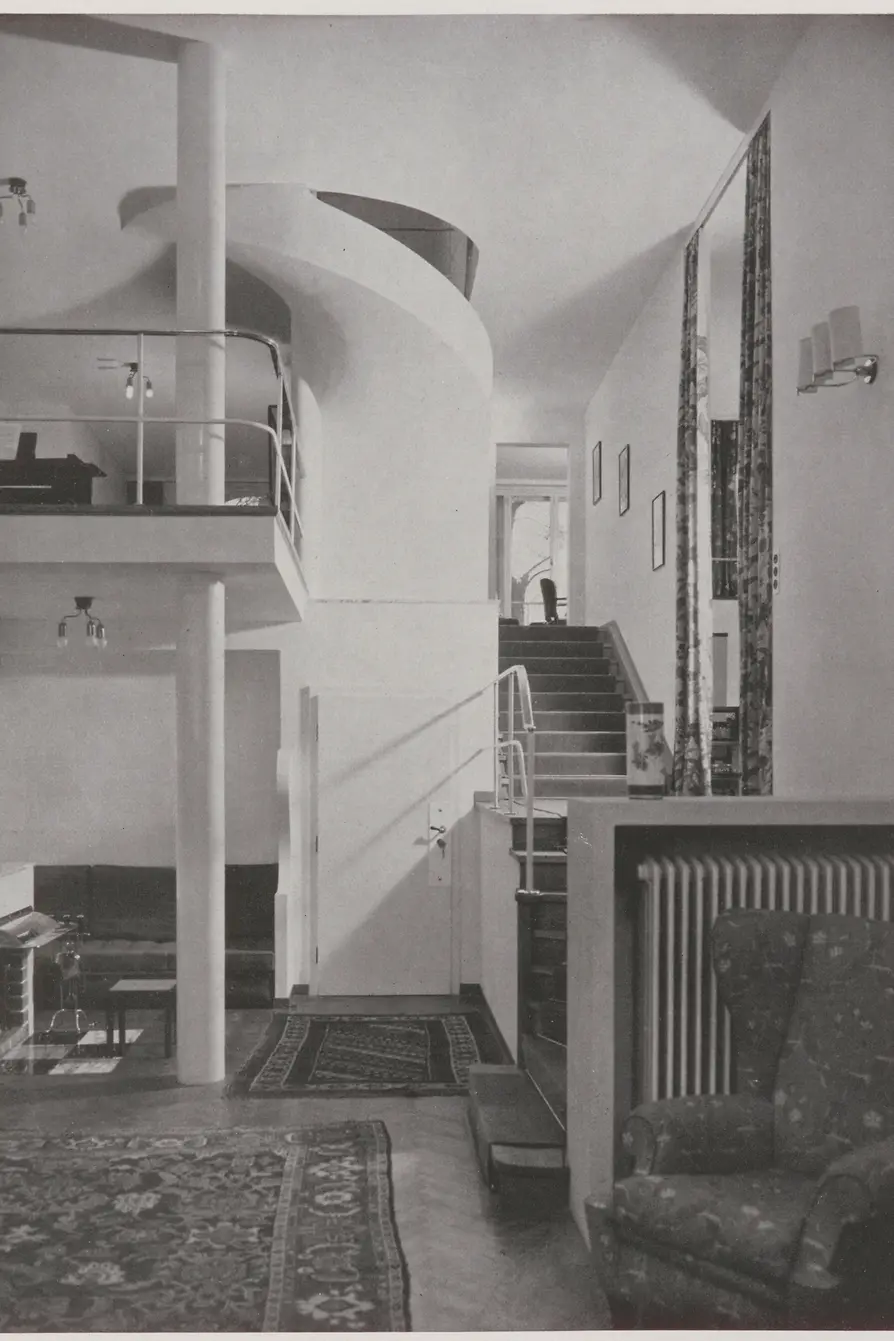
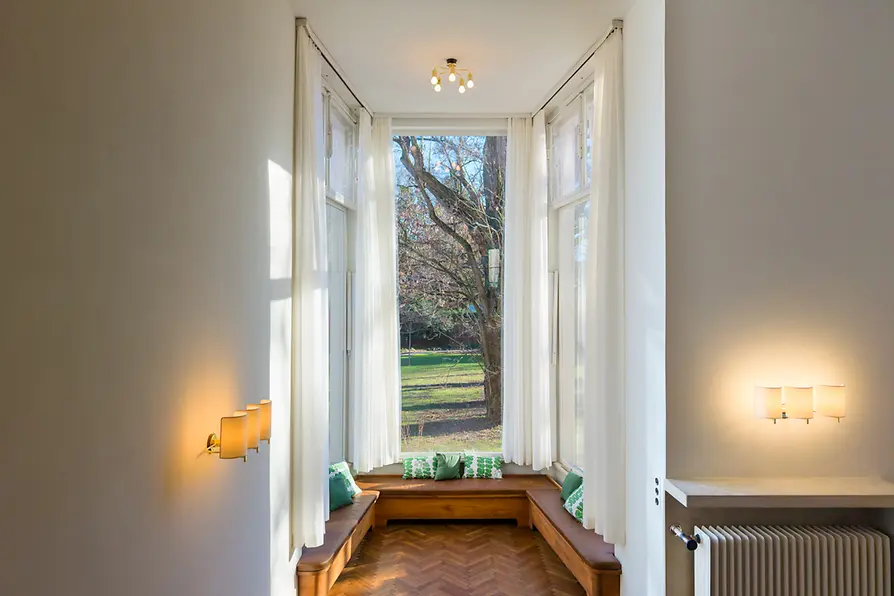
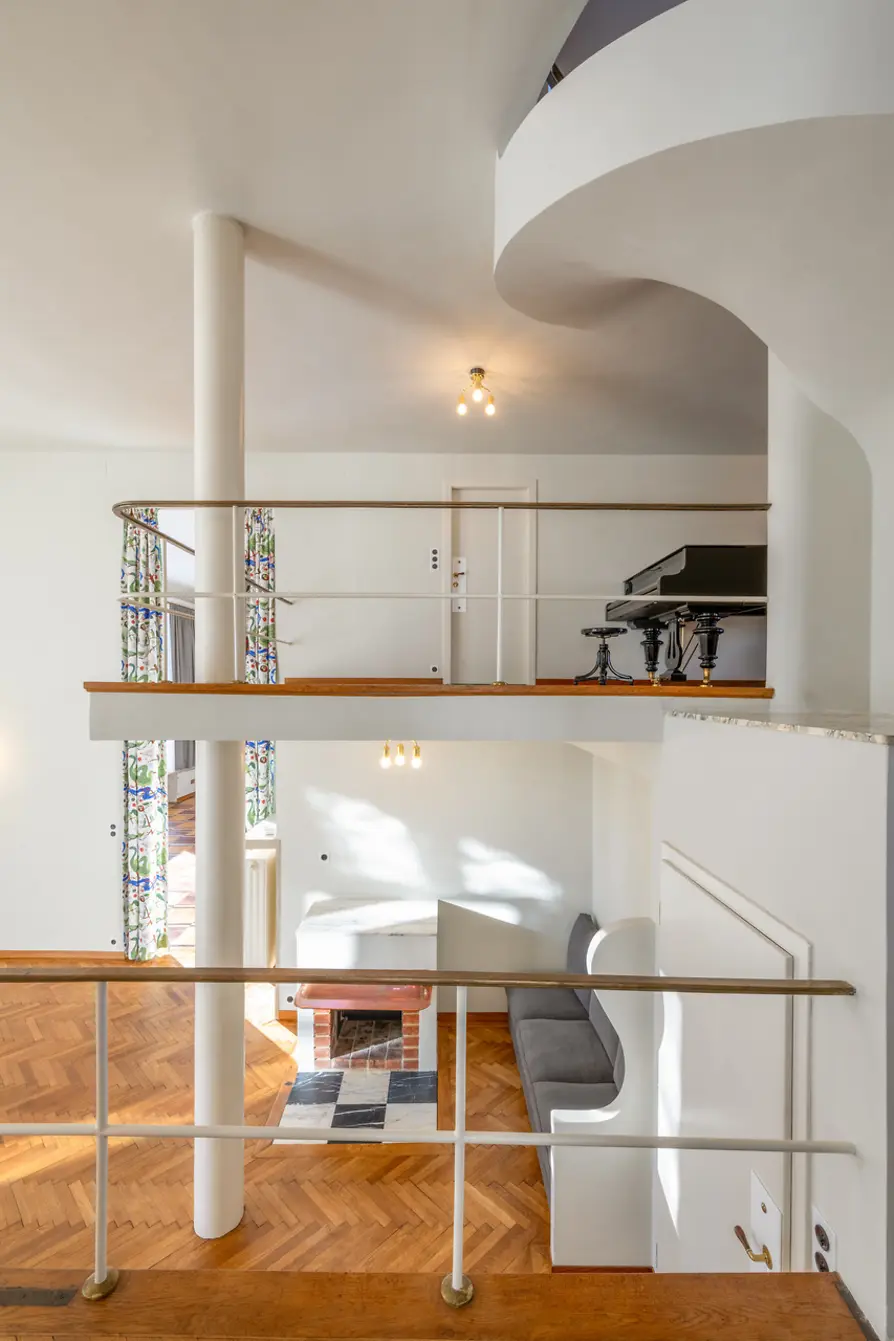
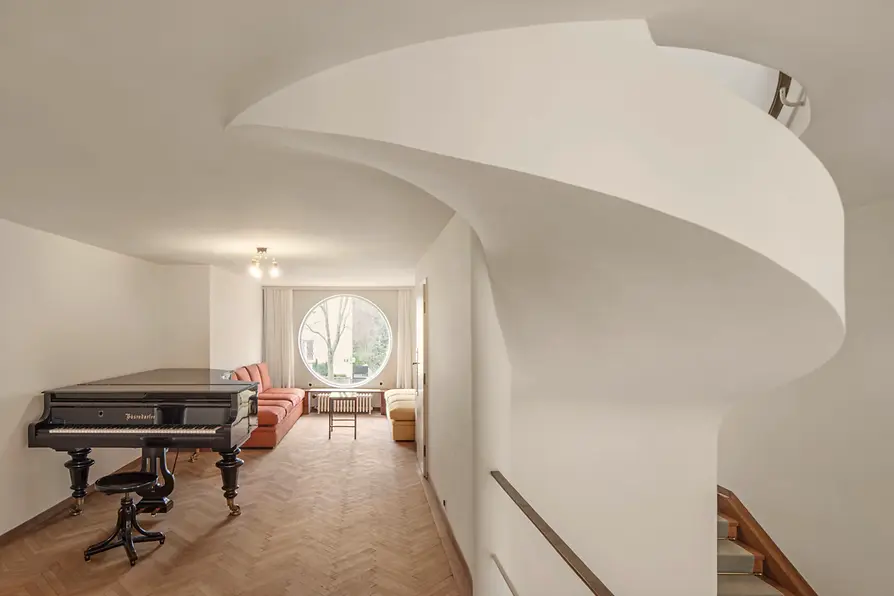
Architecturally, Villa Beer stands out with its open, flowing room layout, which breaks down traditional floor boundaries and creates varied sightlines and access to the outdoors through large windows. It is a house that captivates everyone who enters it. Josef Frank’s philosophies and his principle of “beauty for all” are always evident and have also influenced the new concept for the building’s use. The villa is intended to be seen as a time capsule, commemorating the eventful history of its builders and residents. Ideas from the past are brought impressively into the present here.
Villa Beer
Wenzgasse 12, 1130 Wien, villabeer.wien
Download print-ready version
Download print-ready version
Download print-ready version
Download print-ready version
Download print-ready version
Download print-ready version
Download print-ready version
Download print-ready version
Download print-ready version
Download print-ready version
Contact
Helena Steinhart
Team Manager
+43 1 211 14-364
helena.steinhart@vienna.info