Vienna Press Release – March 2026 How women shaped Viennese cuisine
Vienna is a city of immigration and migration, and has been for centuries. Many people from the Habsburg territories came to Vienna in search of work during the Austro-Hungarian Empire. That process also shaped Viennese cuisine. Viennese cuisine is a melting pot, a blend of culinary styles from Bohemia, Austria, Hungary, Italy and the Balkans. It was people – and especially women – who had a decisive influence on Viennese cuisine. They came to Vienna to work as cooks. Around 1900, Vienna was a city of women, with every second woman being an immigrant.
Bohemian cooks make history
The influence of Bohemian cuisine is particularly evident. Many women came to Vienna from Bohemia in the 18th and 19th centuries. They worked as cooks in the households of Vienna’s upper middle class and aristocracy. Any household that wanted to be considered respectable had a Bohemian cook. Those women brought the dishes and recipes from their Bohemian homeland with them, which over time became an integral part of Viennese cuisine. Alongside hearty dishes such as roast pork with cabbage or beer goulash, it is above all the pastries and desserts – such as Germknödel, Buchteln, Mohnnudeln, and Powidltatschkerl – that can be traced back to Bohemian cooks. The women also brought sweet fruit dumplings (called “knedlsk”) to Vienna. The Bohemian cooks had to provide not only the family with fine food, but the entire household staff – from the stable boy to the maid. While knowledge of the Bohemian culinary heritage remains very present today, the women behind it have almost been forgotten.
Women in today’s restaurant industry
Even today, many women – and with them, the influences of other countries – help ensure that Vienna’s culinary scene continues to evolve and remain vibrant. Even today, it is important to shine a spotlight on committed women in a male-dominated industry.
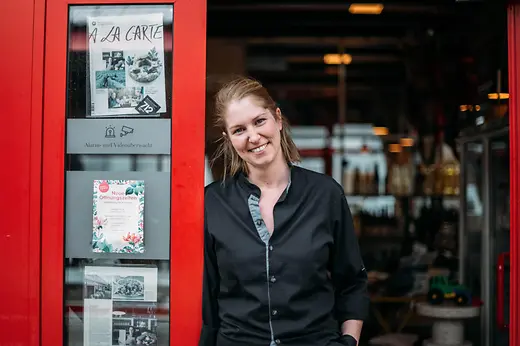
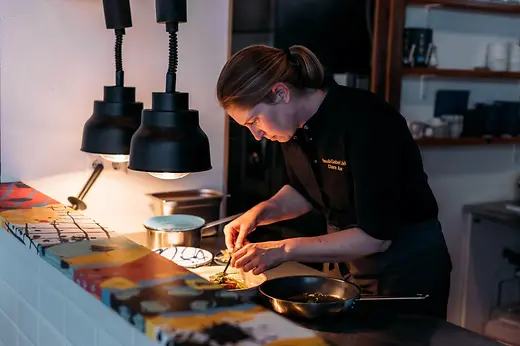
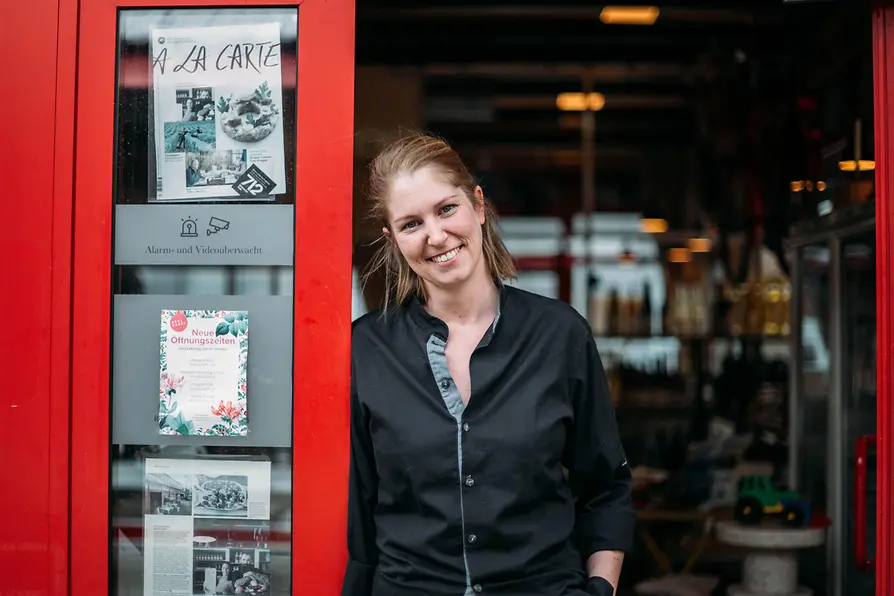
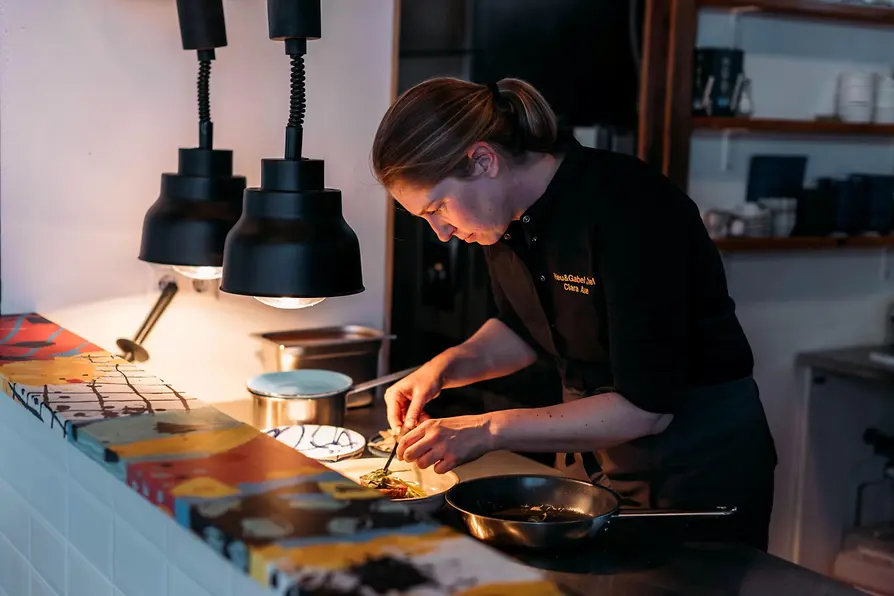
Clara Aue, a native of Vienna, recently started cooking at Heu & Gabel at the Meidlinger Markt. The award-winning chef focuses on cuisine from the crown lands with a French influence. In her dishes, she emphasizes regionality and an unconventional approach to the classics of Viennese cuisine. When it comes to meat, Clara Aue believes it is important to treat it responsibly. That’s why she uses the whole animal to prevent food waste. Heu & Gabel at the Meidlinger Markt is also an organic delicatessen.
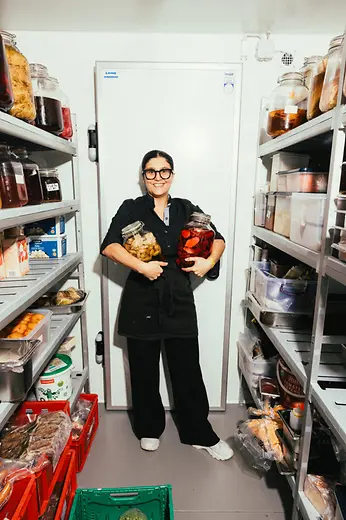
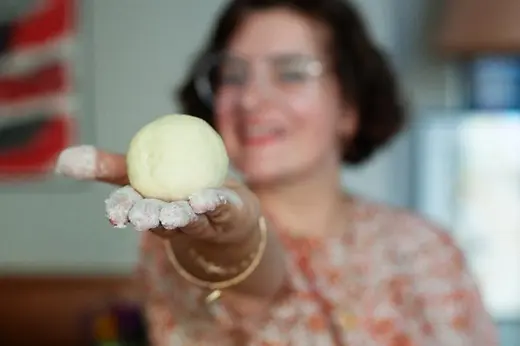
Stefanie Herkner is also an important exponent of Viennese cuisine. The charming cult restaurateur runs the restaurant Zur Herknerin. The name is a reference to the former restaurant Zum Herkner, run by her father, who was one of the best chefs in the city. Although her parents did not want Stefanie Herkner to go into the restaurant business as well, she successfully opened a traditional tavern in a former plumbing shop. She is known for her down-to-earth home-style cooking, her fantastic dumplings (sweet and savory), and sarma, the Serbian cabbage rolls. Stefanie Herkner also teaches the art of dumpling making in cooking classes.
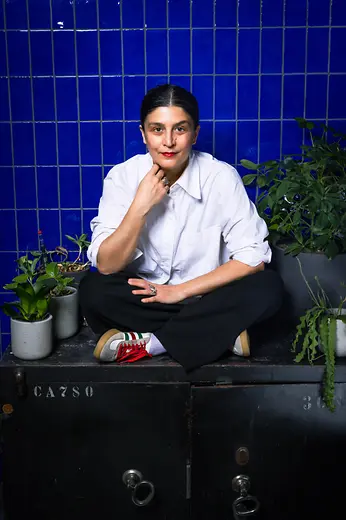
Parvin Razavi was born in Iran and cooks at Restaurant &flora. The head chef was named Newcomer of the Year by Gault & Millau in 2023 for her creative cooking style, which combines Austrian, Middle Eastern and international influences, and she currently holds three toques. For Parvin Razavi, vegetables take center stage and meat becomes a side dish. Her career is remarkable, as she is self-taught as a chef. With her preference for Middle Eastern spices, she brings a distinctive signature to her cooking.
Lisa Machian brings French flair to Vienna with her Café Caché. Machian and her husband Arnaud Champetier, a native of France, took over a former suburban coffeehouse in Vienna’s 15th district where they serve really good food. Lisa Machian is responsible for the kitchen. She has drawn on her previous experiences in London and Paris, which now influence her culinary style. The dishes are French-inspired, uncomplicated during the day and served in the style of a fine bistro in the evening. The café’s ambiance remains unchanged, in retro style.
Ola Szwarc also brings her background and professional experience to her cooking style. Ola Szwarc is Polish-born. She studied art there, lived and cooked in London, and now runs the inn Rosebar Centrala with her partner Nadim Amin. The cosmopolitan cuisine covers a variety of influences spanning from London to Poland. However, the Eastern European influences in the dishes can be clearly traced back to Ola Szwarc.
Sweet treats by women pastry chefs
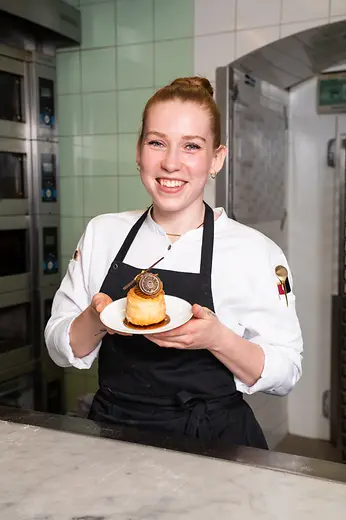
Pastry chef Julia Kilarski has made a name for herself in Vienna with her sweet works of art. After initially studying to become a lawyer, she changed fields and trained to become a master pastry chef. Soon afterwards, Julia Kilarski opened the delightful café-patisserie Crème de la Crème in the 8th district. She learned the craft of pastry-making in Paris. Her sweet creations are therefore French-inspired as well. The success of her concept led her to open a second branch in Kettenbrückengasse in 2025, bringing even more Parisian charm to Vienna.
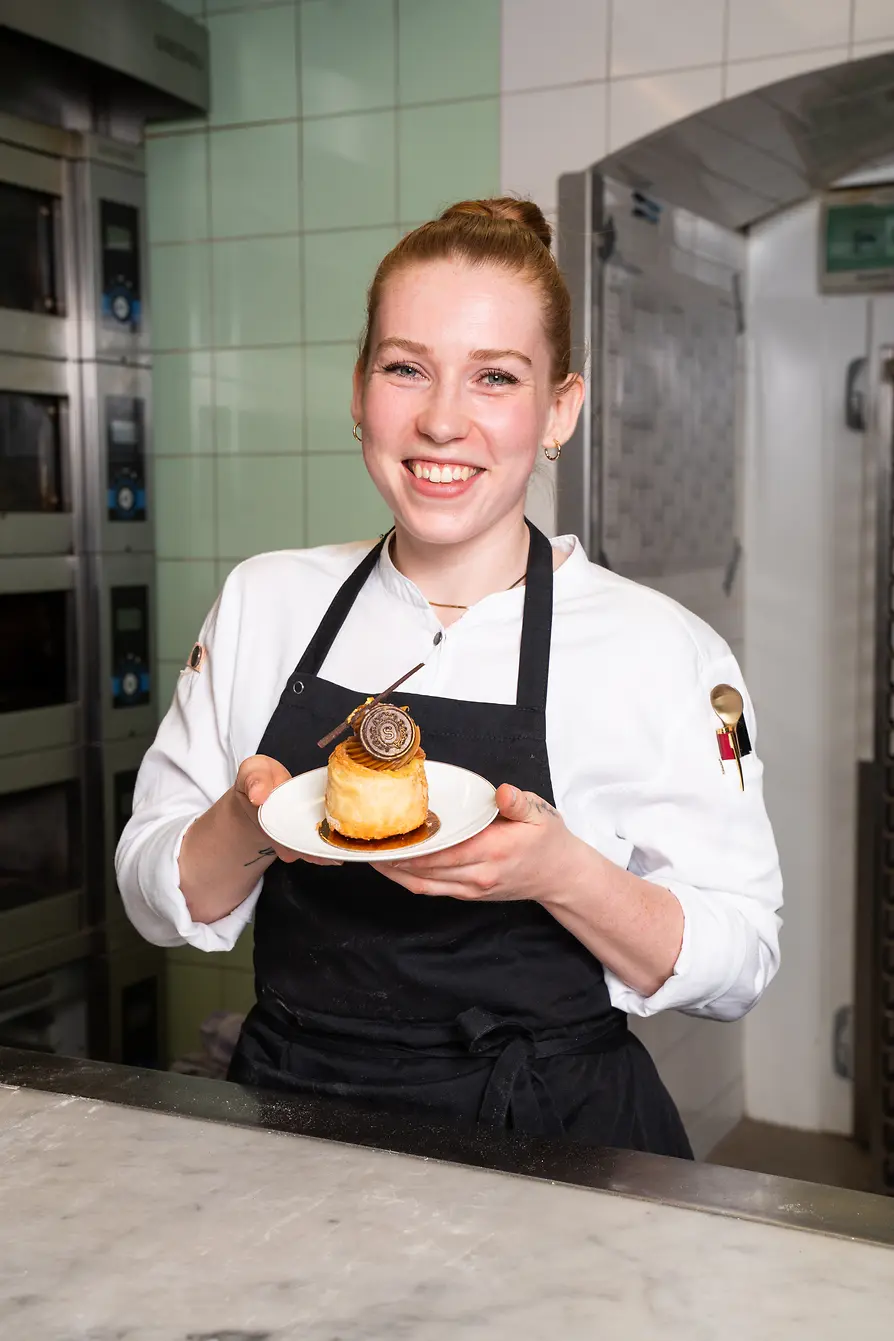
Natalie Stebbing is also building a major career in baking. In her 20s, Stebbing became head pastry chef at Vienna’s famous Hotel Sacher. In 2022 she even won the German TV show “Das große Backen – Die Profis”. Her childhood and adolescence were international. She lived in Norway, England, and Germany. Now she calls Vienna home. Although she developed a passion for baking at an early age, she initially began studying to become a teacher after graduating from high school. Only then did she realize that her heart truly lay in the art of pastry-making.
Today, however, culinary enjoyment encompasses not just food but drinks as well.
Wine & coffee by women
Women have traditionally been a rarity in the world of wine. This makes women like Jutta Ambrositsch, who is a very successful winemaker in Vienna, all the more important. Jutta Ambrositsch actually started out in advertising, but in 2004, the art director decided to switch careers and become a winemaker. Her unique and characterful wines are causing a sensation, and she has quickly made a name for herself in the wine world. Ambrositsch also runs the Buschenschank in Residence together with her husband. It is a pure, authentic Heuriger serving food made from high-quality ingredients.
Peggy Strobel is the owner of a small 1950s-style café bar called Cafetière. Strobel used to be the manager of the Michelin-starred restaurant Mraz & Sohn and has now fulfilled her dream of owning her own café. In this charming restaurant with original 1950s décor, the charming hostess celebrates espresso culture. The fact that both the toast and the homemade ice cream taste better here than elsewhere has to do with the connections to the Michelin-starred cuisine at Mraz.
Adressen:
Heu & Gabel, •Meidlinger Markt, 1120 Vienna, www.heuundgabel.at
Zur Herknerin, Wiedner Hauptstraße 36, 1040 Vienna, zurherknerin.at
&flora, Breite Gasse 9, 1070 Vienna, •www.undflora.at
Café Caché Wien, Meiselstraße 2, 1150 Vienna, cafecache.at
Rosebar Centrala, Rauscherstraße 5, 1200 Vienna, www.centrala.at
Crème de la Crème, Lange Gasse 76, 1080 Vienna, cremedelacreme.at
Crème de la Crème – La petite, Kettenbrückengasse 20, 1040 Vienna, cremedelacreme.at
Café Sacher, Philharmonikerstraße 4, 1010 Vienna, www.sacher.com
Weinbau Jutta Ambrositsch, Buschenschank in Residence, Langackergasse 5a, 1190 Vienna, www.jutta-ambrositsch.at
Die Cafetière, Wipplingerstraße 25, 1010 Vienna, diecafetiere.wien
Download print-ready version
Download print-ready version
Download print-ready version
Download print-ready version
Download print-ready version
Download print-ready version
Download print-ready version
Contact
Helena Steinhart
Team Manager
+43 1 211 14-364
helena.steinhart@vienna.info