Vienna Press Release – December 2025 Bistro revolution in Vienna
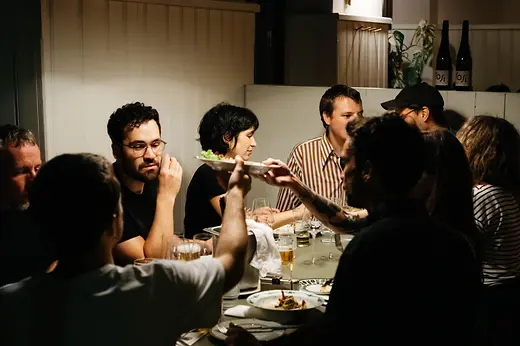
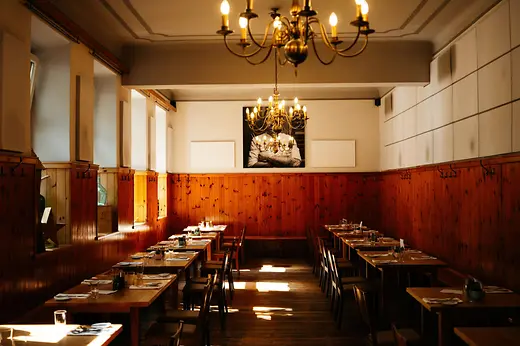
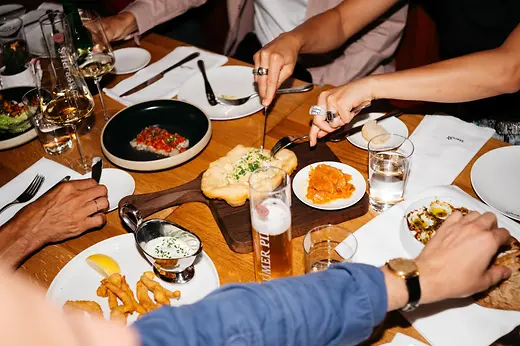
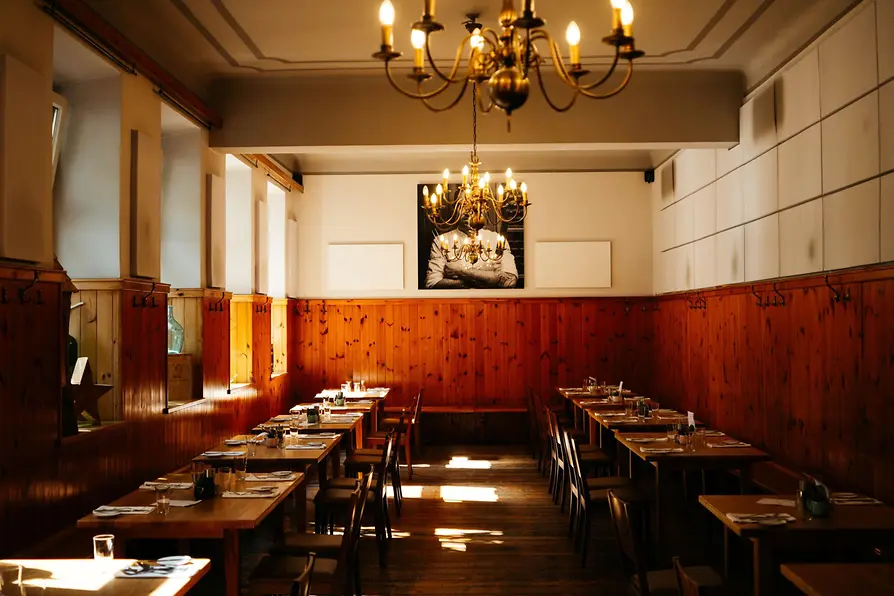
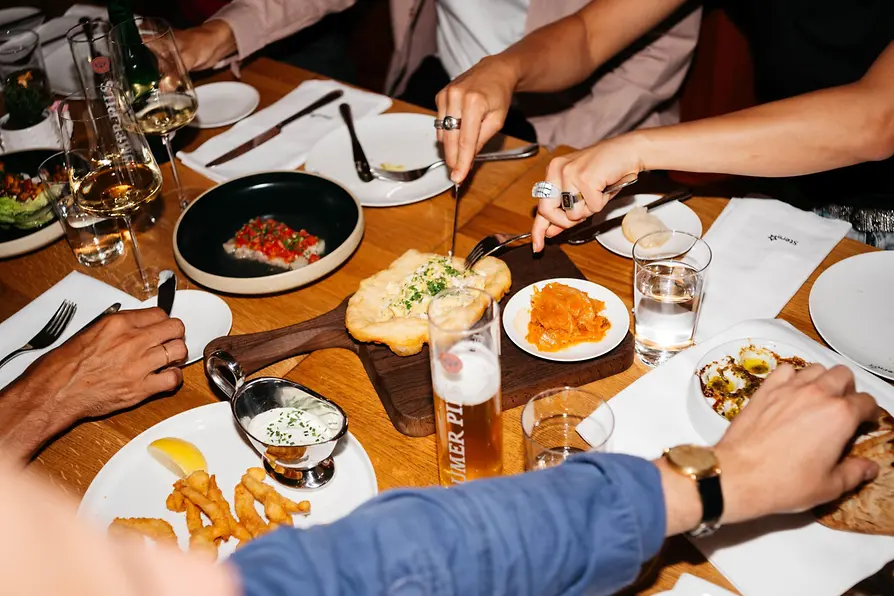
The beisl (bistro) is as much a part of Vienna as the coffeehouse and the heuriger (wine tavern). A beisl is home to down-to-earth Viennese cuisine. Unadulterated and unpretentious. Here, Viennese cuisine thrives in all its variety. You can of course get Wiener schnitzel in a beisl, but Viennese cuisine has much more to offer. A classic beisl features a spacious bar where wine is chilled and beer is poured. Wood paneling, simple tables and chairs and a mixed crowd complete the picture. The kitchen is all about tradition. Offal dishes are also common on the menu. Lately, the city has seen several surprising beisl concepts. This is how Vienna showcases its modern culinary side. Historic taverns are being taken over by young proprietors, sensitively renovated and relaunched with fresh energy. What remains is the authentic beisl ambiance – even if the food may be a little different.
Vienna’s bistros discover vegetarian cuisine
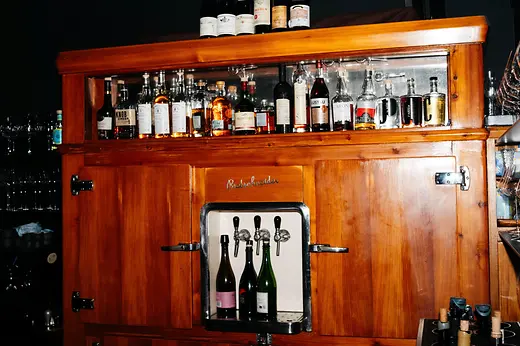
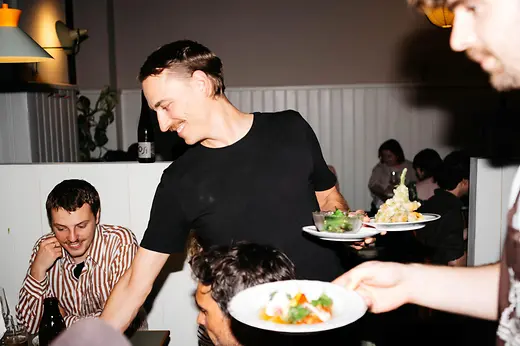
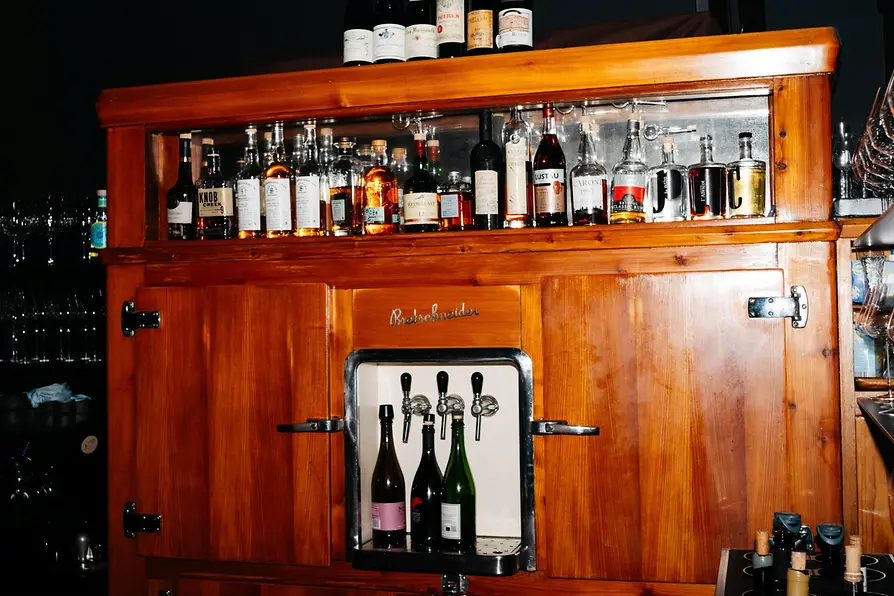
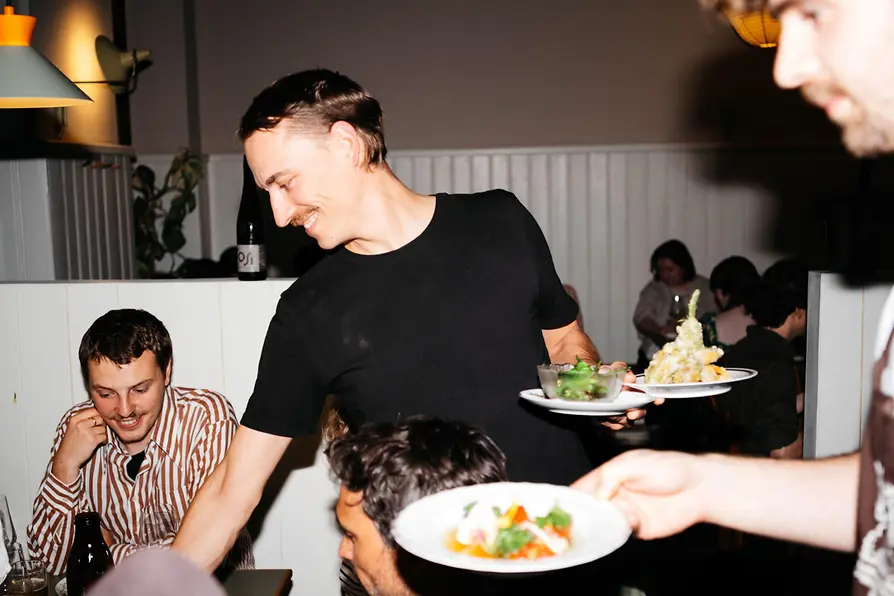
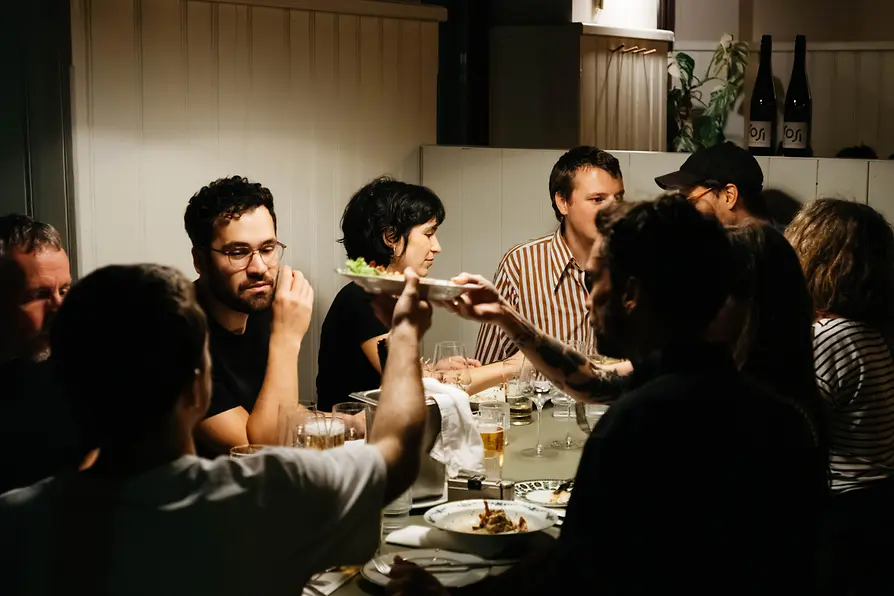
The biggest surprise a Viennese beisl can offer is vegetarian cuisine. And that is exactly what Till Wörner does at his beisl called Rosi, named after his grandmother. Typically, a beisl serves the meat-heavy staples of Viennese cuisine. How did Chef Wörner come to run a beisl with vegetarian cuisine? “At the time we came up with the idea for the place, my girlfriend was vegan,” he says: “Austria also has fantastic produce, and we want to show what you can cook with it. From a culinary standpoint, it is exciting to cook with vegetables.” The dishes are served in small portions and are inspired by the seasons. “We also have lots of ideas for preserves. We then draw from our cellar stock when we cook,” is how Wörner describes his culinary approach. The former Steirereck chef brought a wealth of product knowledge with him from there. But the Maultaschen based on grandma’s recipe still had to go on the menu as the only meat dish. The extensive drinks list features plenty of natural wine, alcohol-free options and house-made specialties. Rosi also shows what a modern beisl can look like: the wood paneling has been painted white. The old Bretschneider-brand bar counter is, here too, a typical beisl eye-catcher.
Offal, game and wine
Gasthaus Stern offers a complete culinary contrast. Located in the outer district of Simmering, it serves refined Viennese cuisine with a focus on offal and game. This focus that has earned it a reputation across Vienna. Proprietor Christian Werner has run the establishment for 18 years and has built its reputation over time. Many guests make the trip to the area specifically for the cuisine. Werner: “Stern is synonymous with offal, game and wine. We are a meeting place for connoisseurs who especially appreciate offal dishes.” Werner used to run the kitchen himself; today, Peter Zinter is the head chef. Both are hunters and on the same wavelength when it comes to culinary philosophy. Werner curates the wine list, which includes more than 600 labels.
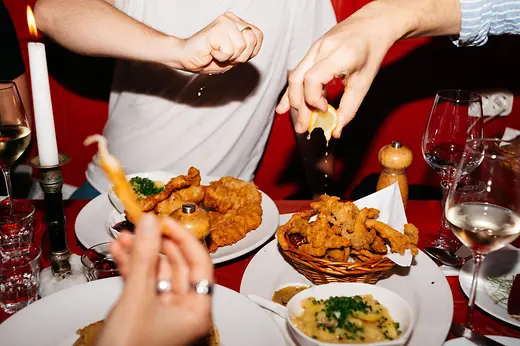
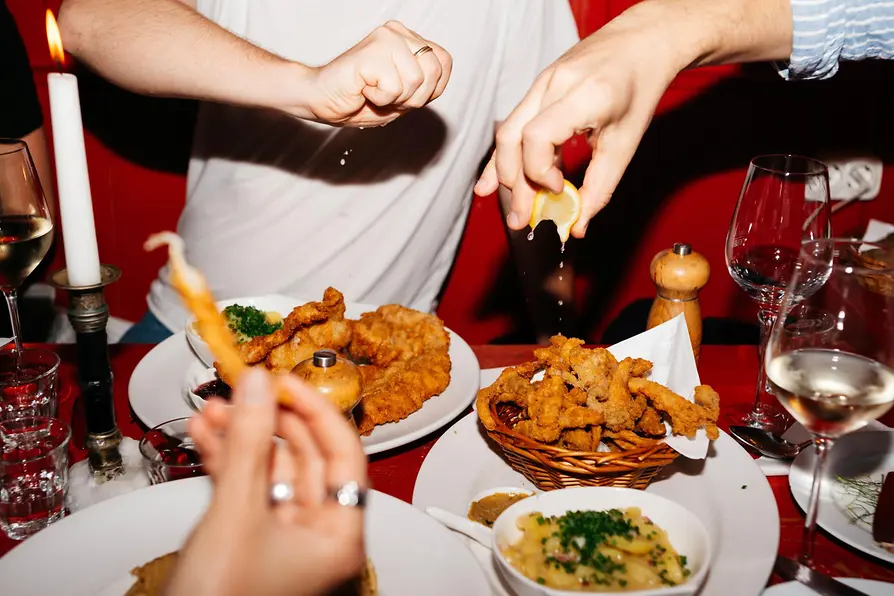
Dishes on the menu include Alpencalamari Fritti, which are in fact veal tripe, and Styrian scallops, which are actually deep-fried bull testicles. Veal sweetbreads, calf’s-foot aspic, Riesling beuschel (traditional offal ragout), roe deer dumplings, pheasant breast and Viennese snails are just a few more examples of the specialties. How did the specialization in offal come about? “From my parents’ former establishment, which was located near the meat market in St. Marx. They were already serving offal dishes there. Besides, cooking with offal is very Viennese.” “With Stern, I discovered a niche here,” says Christian Werner. Cooking with offal, guided by the idea of using the whole animal from nose-to-tail, is also a highly sustainable approach.
Art in the beisl
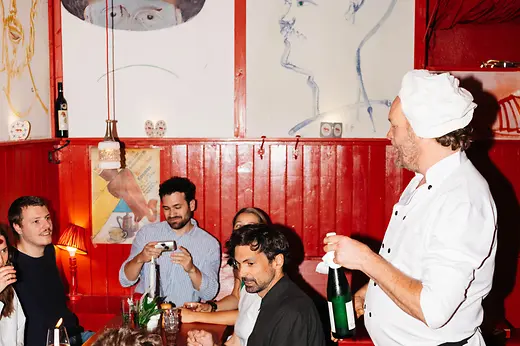
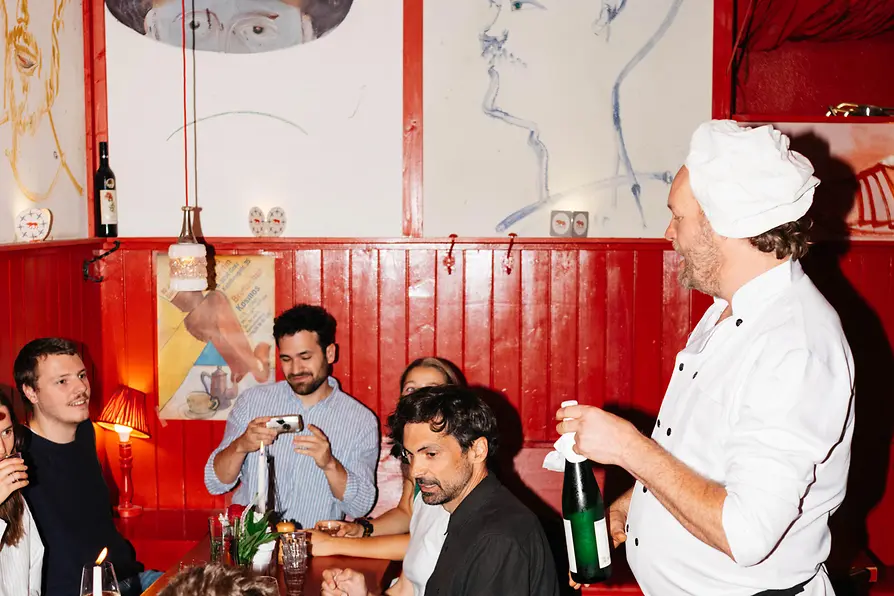
Zum Roten Bären is not a classic beisl, even if a glance at the menu might suggest it. This bistro is a bit crazy, wild and quirky, which makes the place all the more endearing. Zum Roten Bären was founded in 2013 by three friends. One of them, Johannes Bodingbauer, still works in the kitchen today. What does Bodingbauer value in his cooking? “Craftsmanship matters to me. And regional produce. We have two farmers who are our main suppliers – they provide really excellent produce – and we get our meat from Höllerschmid.” And you can really taste it. The dishes on the evening menu, which changes every two weeks, are pure soul food. On the classics menu, schnitzel, cordon bleu, and dishes made with oyster mushrooms from the Vienna mushroom farm Hut & Stiel are perennial favorites. “We also experimented a lot to find the best breadcrumbs for the schnitzel,” explains the head chef.
The color red in the name is also reflected in the interior of the red salon. The restaurant’s madcap history is captured in collages on one of the walls, and art is everywhere: the photographer Rita Nowak is represented here, and the walls are also decorated with a work by the artist collective Gelitin. “Art and images ARE the Rote Bär,” Bodingbauer reflects. At the Red Bear, people come to have a good time – and that includes music that’s allowed to be a little louder.
Michelin-starred cuisine
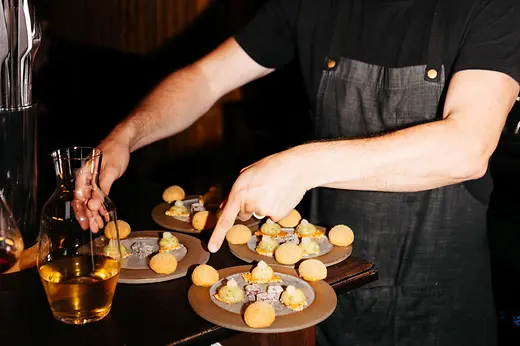
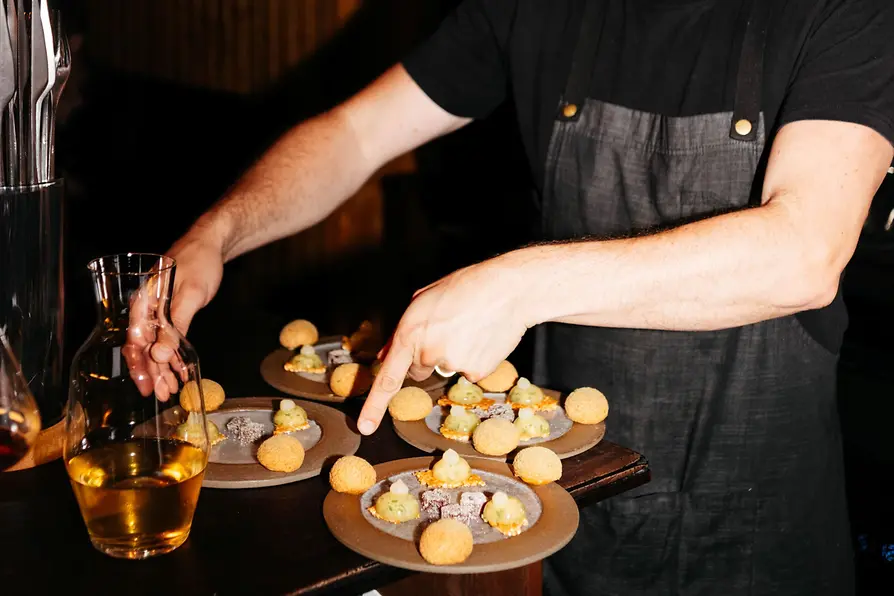
There is even Michelin-starred cuisine in a beisl setting in Vienna. Passers-by could mistake Pramerl & the Wolf for a simple bistro. Guests sit here in a cozy atmosphere with an old wooden bar and wood-paneled walls; there are only a few tables. Career-changer Wolfgang Zankl-Sertl, formerly a management consultant, serves a modern cuisine at Pramerl & the Wolf that has earned a Michelin star. It’s another way to discover Vienna’s fine dining scene: relaxed and refreshingly understated. Guests take their cutlery straight from the drawer, and there is no menu. The chef begins by asking about any intolerances or allergies, whether you avoid meat, or have any dislikes. His dishes often pay homage to classic Viennese cooking, for example when he serves the so-called small doughnut – or, depending on your point of view, the oversized soup pearl.
More beisl tips
Let’s take a quick look at a few more special and sometimes surprising bistro concepts in Vienna that are well worth a visit.
At Reznicek, Simon Schubert and Julian Lechner bring Viennese cuisine into the present and serve it at an international level. Chef Julian Lechner’s cordon bleu is famous across the city; offal dishes are recommended here too, as are the wines under Simon Schubert’s stewardship.
At Gasthaus Jagetsberger on Märzstraße, the room looks like days gone by, while the kitchen serves modern takes on traditional Viennese cuisine. It is remarkable how dishes like kohlrabi dumplings or veal heart can be prepared. One thing’s certain: the cooking is outstanding. It is moreover a fine example of a beisl with a difference.
A love of Viennese cuisine is palpable at 575 Sagmeister as well. Both the ambiance and the dishes have a distinctive twist. Great emphasis is placed on regional sourcing; hence the name – Austria is 575 km wide, and the produce is not allowed to be brought in from any further away. Many ingredients even come from Vienna itself, such as catfish from the blün fish farm. We recommend the tartare, reimagined with mushrooms, root vegetables and beetroot. The original beisl interior has been refreshed with plenty of colorful elements; the service is characterized by Viennese charm.
Brösl in the Stuwerviertel could also be mistaken for a classic beisl, but appearances are deceiving. Brösl does not serve Viennese cuisine – instead, the focus is on vegetable-driven cooking. There is fish and meat as well, but they play a supporting role. The menu changes daily because the ingredients come from small producers. The chefs cook what is available. The cooking style itself has a Mediterranean accent. The refreshed beisl interior is particularly well preserved at Brösl.
It is exciting, too, when culinary styles from other countries find their way onto the menu. The same can be said for Léontine, where superb French cuisine is served. Or at Rosebar Centrala, which is home to a fantastic culinary concept with Eastern European influences. After stints in London, Aleksandra Swarc and Nadim Amin realized their dream of opening their own place here.
More information about our 2026 culinary focus “Vienna Bites. Cuisine, Culture, Character” is available at viennabites.wien.info
More images from the photo shoot with Gabriel Hyden at foto.wien.info
Addresses:
Rosi, Sechshauser Straße 120, 1150 Wien, rosi.wien
Gasthaus Stern, Braunhubergasse 6, 1110 Wien, gasthausstern.at
Zum Roten Bären, Berggasse 39, 1090 Wien, zumrotenbaeren.at
Pramerl & the Wolf, Pramergasse 21, 1090 Wien, pramerlandthewolf.com
Reznicek, Reznicekgasse 10, 1090 Wien, reznicek.co.at
Gasthaus Jagetsberger, Märzstraße 87, 1150 Wien, anna-jagetsberger.at
575 Sagmeister, Schimmelgasse 11/Paulusplatz, 1030 Wien, 575sagmeister.at
Brösl, Wohlmutstraße 23, 1020 Wien, broesl.at
Léontine, Reisnerstraße 39, 1030 Wien, leontine.at
Rosebar Centrala, Rauscherstraße 5, 1200 Wien, centrala.at
Download print-ready version
Download print-ready version
Download print-ready version
Download print-ready version
Download print-ready version
Download print-ready version
Download print-ready version
Download print-ready version
Contact
Helena Steinhart
Team Manager
+43 1 211 14-364
helena.steinhart@vienna.info