Vienna Press Info – September 2026 20 Years of Vienna Design Week – a festival in the Hietzing neighborhood
20 Years of Vienna Design Week
Vienna Design Week is Austria’s most important multidisciplinary, curated design festival. Although it has “Week” in its name, it actually spans ten days of design, ideas, and inspiration. The festival joins forces with Viennese museums, manufacturing companies, and designers to offer a variety of ways to explore the topic of design through events, exhibitions, installations, guided tours, and workshops.
Overall, Vienna Design Week takes place at 50 locations across Vienna, with admission free for most events. The focus is on the diverse work that defines the local design scene, ranging from product and furniture design to graphic design and social design. Sustainability and the circular economy are becoming increasingly important topics at Vienna Design Week.
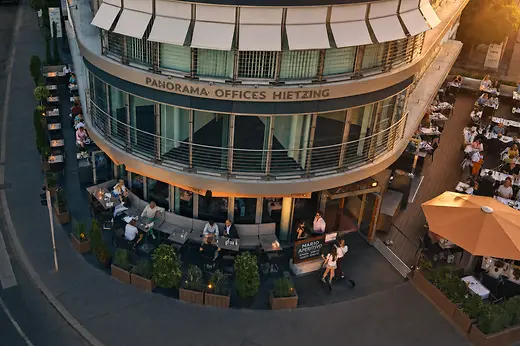
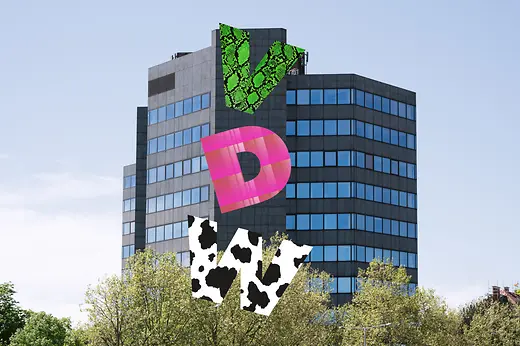
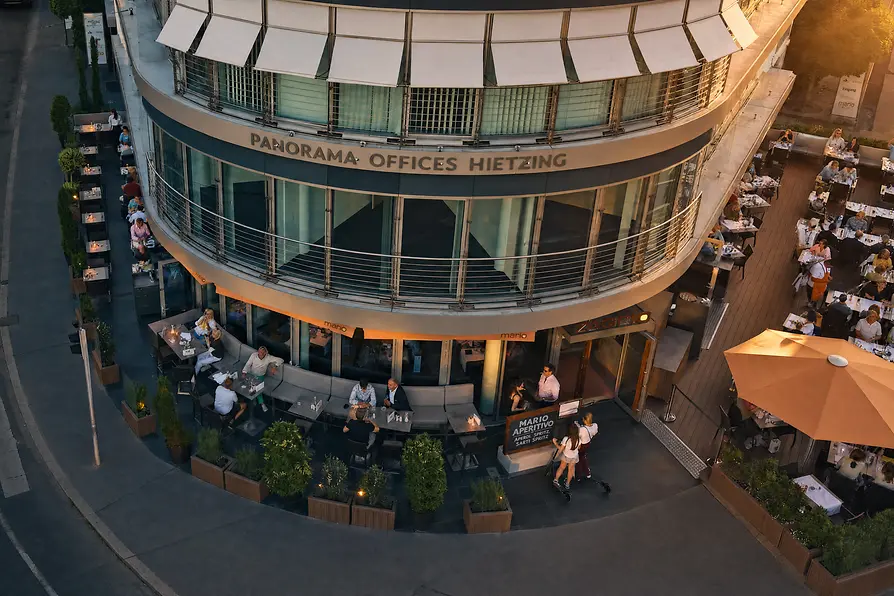
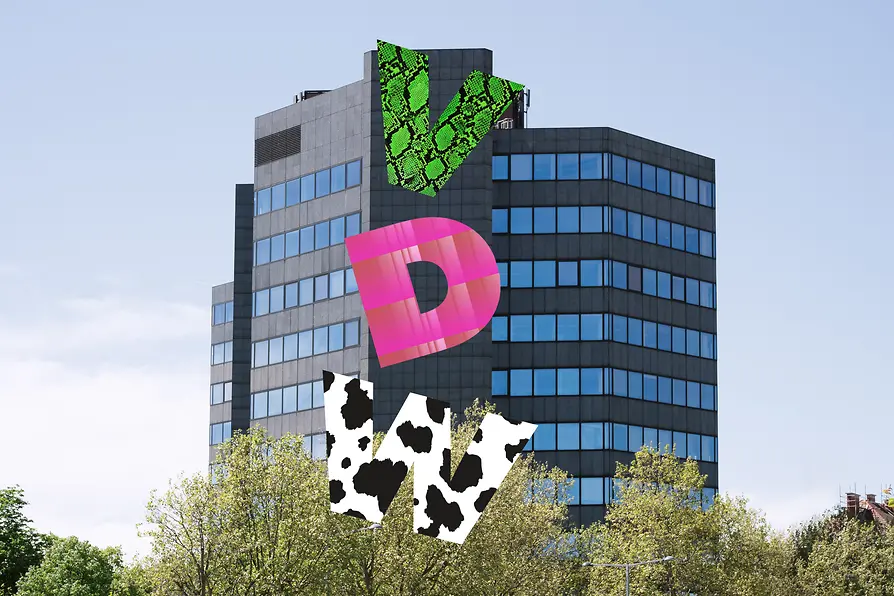
This year the festival HQ is located in the 13th district, in an office high-rise at Hietzinger Kai 101 that was designed in the 1970s by Austrian architect Harry Glück and partners. Harry Glück’s best-known project is Wohnpark Alterlaa, a residential complex built 50 years ago. Thanks to its size and striking geometric form, Glück’s building in Hietzing is one of the defining structures of its neighborhood. This is where Vienna Design Week hosts exhibitions, talks, and workshops. The building’s bowling alley in the basement level is also used. Luxembourg will be a guest at Vienna Design Week in 2026, presenting exhibition projects at the festival headquarters. Debut projects created specifically for the festival by two design educational institutions will also be displayed, including the University of Applied Arts Vienna.
The festival showcases what makes the Austrian design scene so special – from product, furniture, and industrial design to architecture and graphic design, as well as social design and digital approaches. What makes it special is that many processes can be experienced firsthand right on site. Whether through the Passionswege (Passion Trails), community projects, or Urban Food & Design, there are new perspectives to discover on the things that surround us every day.
Vienna Design Week was founded in 2007 by Lilli Hollein, Tulga Beyerle, and Thomas Geisler; today it is led by Gabriel Roland.
Hietzing – a villa district with an imperial heritage
Hietzing, the center of Vienna Design Week this year, is Vienna’s 13th municipal district in the southwest of the city and borders the Vienna Woods. Historically, the district is closely associated with the Habsburg monarchy – its proximity to Schönbrunn Palace made it a preferred residential area from the 18th century onward for the nobility, the upper middle class, and artists. This history is visible in the cityscape today. A dense succession of Biedermeier villas, Art Nouveau buildings, and grand bourgeois residences continues to define the look and feel of the area.
One statistic that stands out is that about 72 percent of the district’s area is green space, three-quarters of which is forested. This proportion is unique in Vienna and gives the district a distinct natural character that clearly sets it apart from the more densely built-up inner-city districts. Hietzing is therefore a unique case within Vienna, not only in terms of architectural history but also in terms of urban ecology.
Hietzing is not a “scene” district in the conventional sense. There are no concentrated dining or shopping strips, no clusters of galleries, and no urban nightlife. What distinguishes the district is the unusual density of historic sites in a small area: a World Heritage Site, a nature reserve, modernist architecture, and imperial hunting grounds sit side by side here. Add to that a distinctly quiet, almost suburban character, which contrasts with the direct subway connection to the city center (U4, travel time from Karlsplatz: 11 minutes).
The district therefore appeals to visitors who, alongside the major attractions, are also looking for substance, a slower pace, and depth in architectural history.
Imperial Vienna: Schönbrunn Palace and Zoo
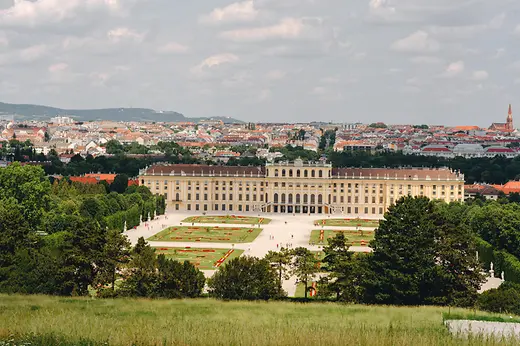
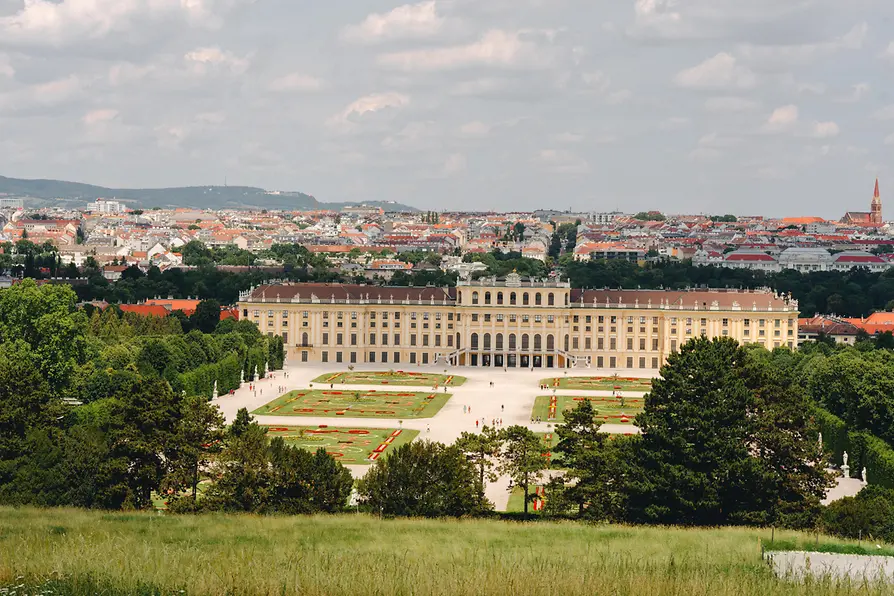
The dominant landmark of the Hietzing district is Schönbrunn Palace, the Habsburgs’ former summer residence. The Baroque complex, with its 1,441 rooms, acquired its current layout under Maria Theresa in the 18th century and has been inscribed on the UNESCO World Heritage List together with the palace gardens and the Tiergarten. The site is also home to the Schloss Schönbrunn Children’s Museum and the award-winning Marionette Theater at Schönbrunn Palace. A Christmas market and an Easter market bring the grand courtyard to life.
The sprawling grounds – featuring the Gloriette, the Neptune Fountain, and the Palm House – are open to the public. Covering 2,500 square meters, the Palm House is home to more than 4,500 plant species from around the world, while the Imperial Carriage Museum (Wagenburg) presents Habsburg carriages and exquisite items of clothing. Every June, the Vienna Philharmonic performs its free, open-air classical concert, the Schönbrunn Summer Night Concert, in the palace gardens, which is broadcast worldwide and attracts . 60,000 visitors attend the concert in person.
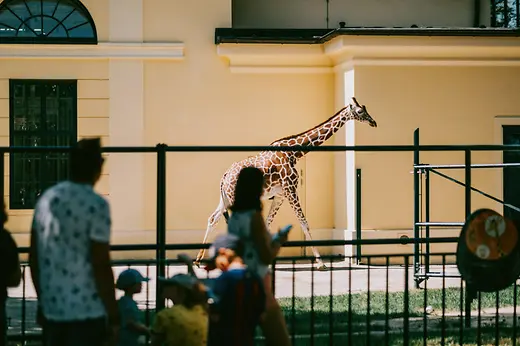
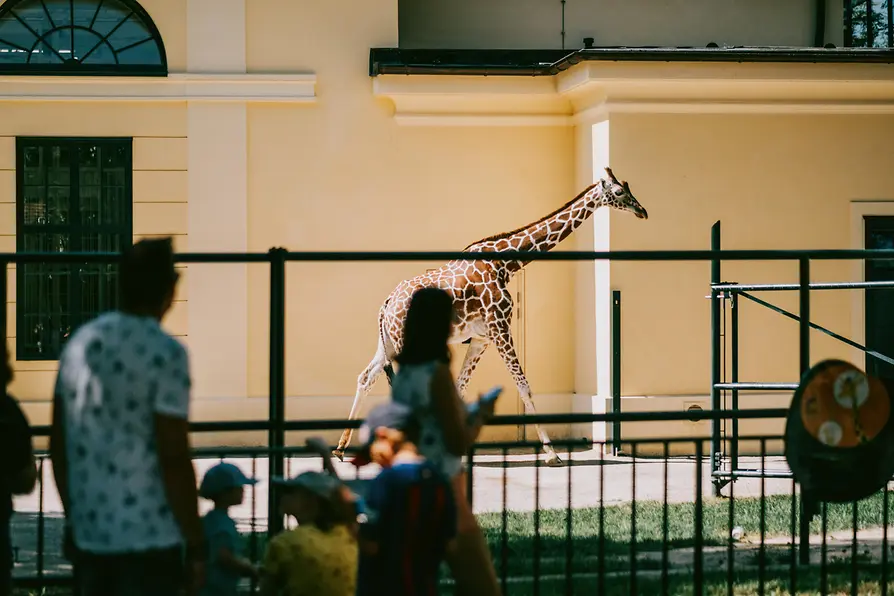
The Schönbrunn Zoo is an integral part of the palace complex. It was founded in 1752 as an imperial menagerie and is therefore regarded as the oldest zoo in the world still in operation today. Today it is home to more than 700 animal species across an area of 17 hectares.
Architecture of Viennese Modernism
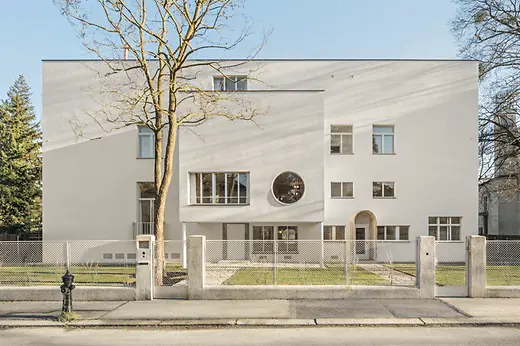
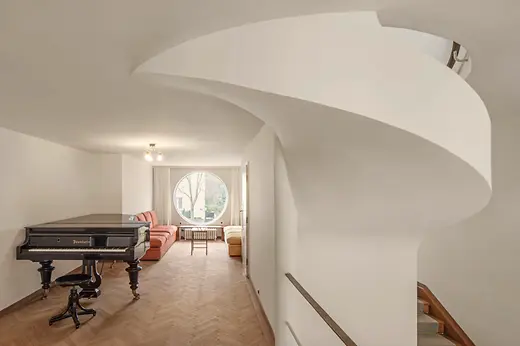
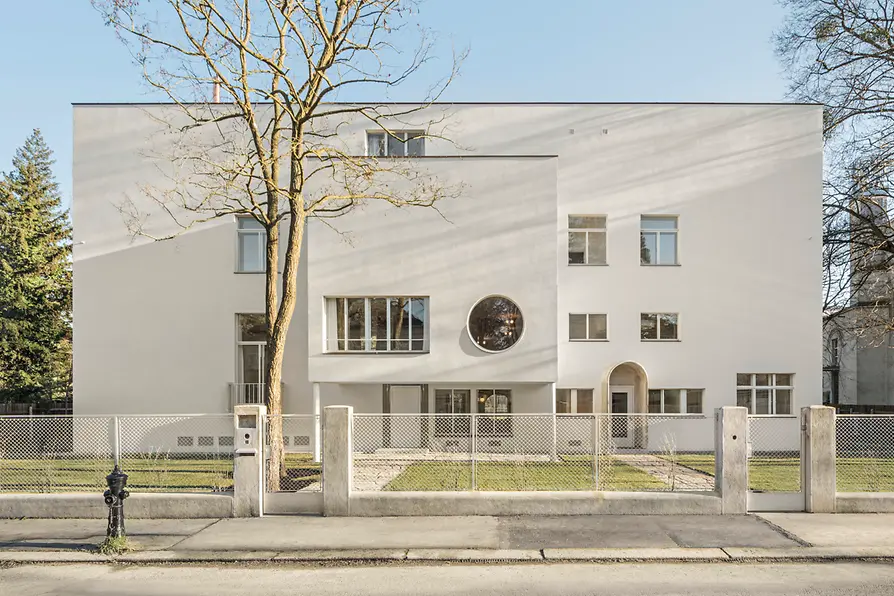
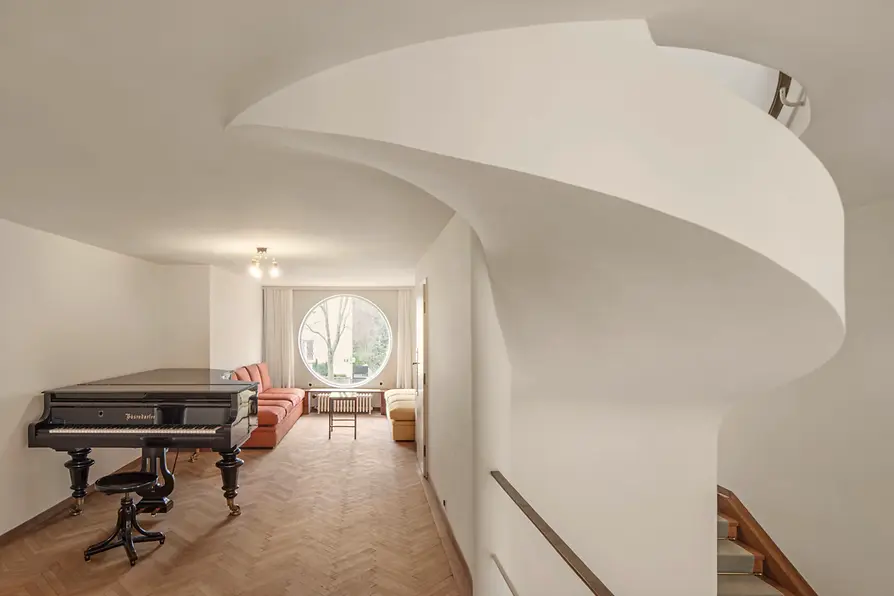
The Hietzing district is one of the main showcases for early 20th-century modernist architecture in Vienna. An outstanding example is Villa Beer at Wenzgasse 12, a residence built in 1929/30 by Josef Frank and Oskar Wlach for the industrialist Julius Beer. Frank, who later rose to international fame as chief designer of Svenskt Tenn in Sweden, designed the villa as a consistent rejection of contemporary functionalism. It features many small rooms instead of open floor plans, a rich variety of materials, and an explicitly residential, lived-in character. The villa is regarded as a seminal work of Second Viennese Modernism and, following several years of extensive renovation, was opened to the public on a permanent basis for the first time in March 2026.
There are also remarkable early Modernist buildings to admire in the immediate vicinity of Villa Beer. There’s Haus Scheu at Larochegasse 3, for example, an important work by Adolf Loos from the early 1910s that is recognized as the first terraced house in Central Europe. The house is not open to the public, but even from the outside it is a real eye-catcher. As is Haus Rufer at Schließmanngasse 11, designed by Adolf Loos in 1922. It is considered a prime example of the implementation of Adolf Loos’ “Raumplan” concept: interlocking rooms with different ceiling heights.
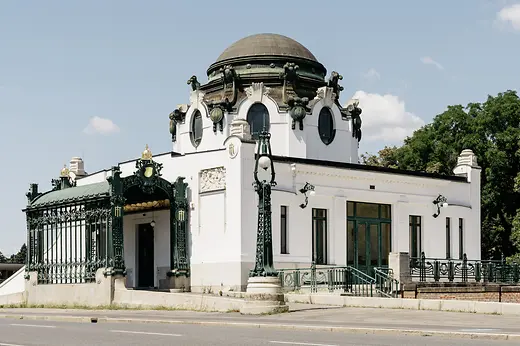
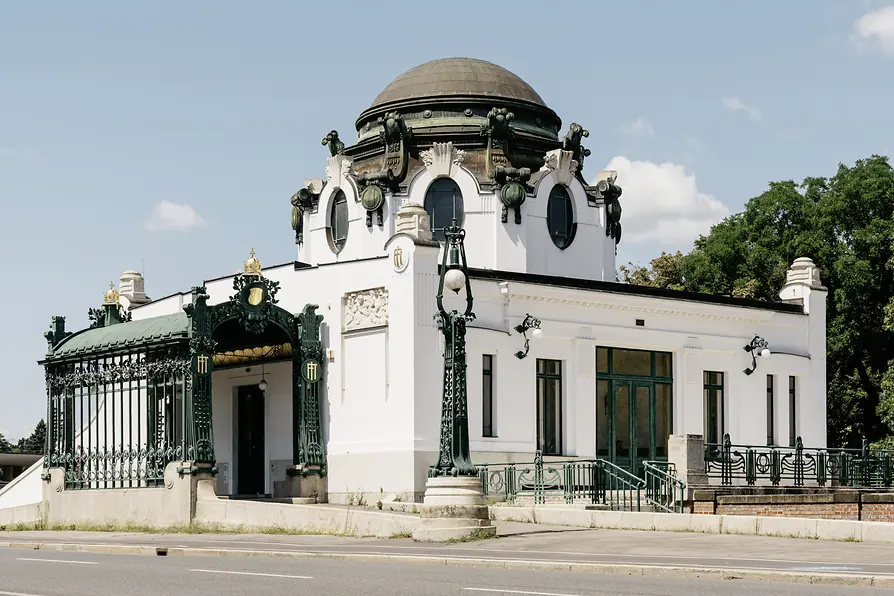
Also worth seeing is the Otto Wagner Hofpavillon on Hietzinger Hauptstraße, built in 1899 as a private imperial railway station for Franz Joseph I on the then Stadtbahn line. The pavilion is a major early work of Viennese Art Nouveau and impresses inside with a mahogany-paneled waiting room featuring original furnishings. The large painting by Carl Moll, one of the emperor’s favorite painters, shows Vienna and the Stadtbahn network from a bird’s-eye view. Incidentally, the emperor only ever used his exclusive pavilion to travel on the Stadtbahn twice. Today the building is owned by Wiener Linien, operated by the Wien Museum, and is open to visitors.
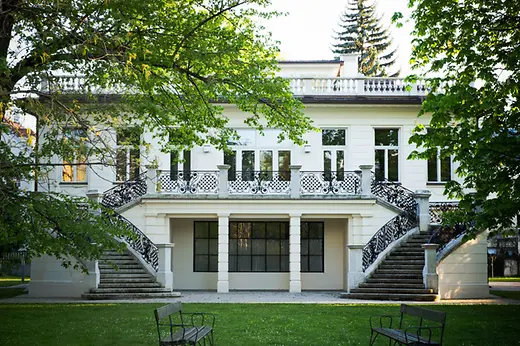
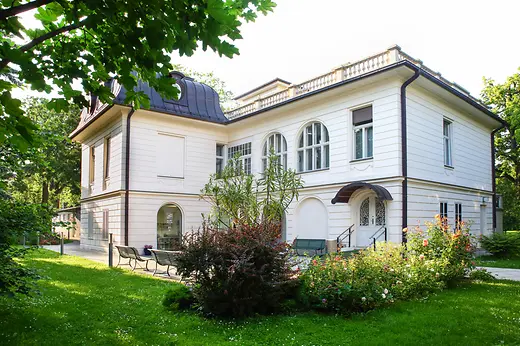
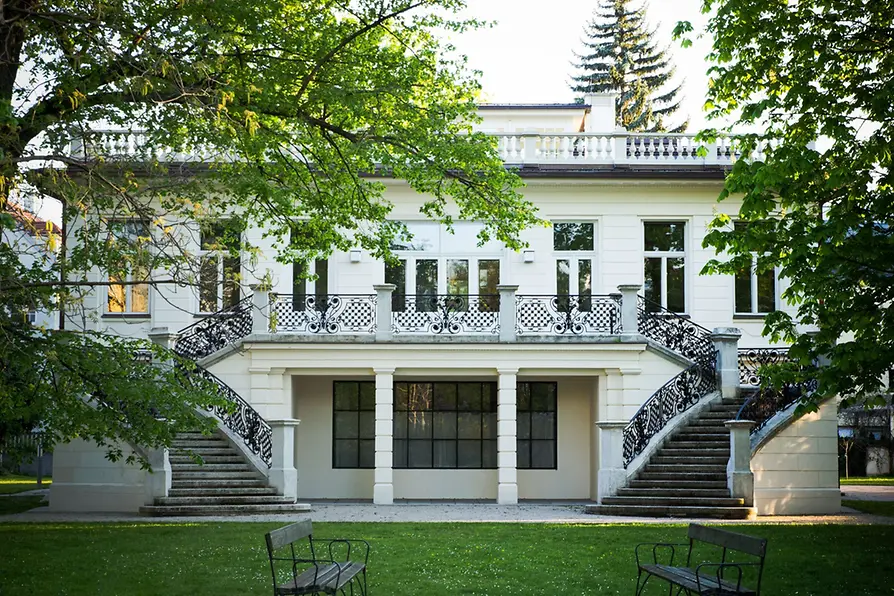
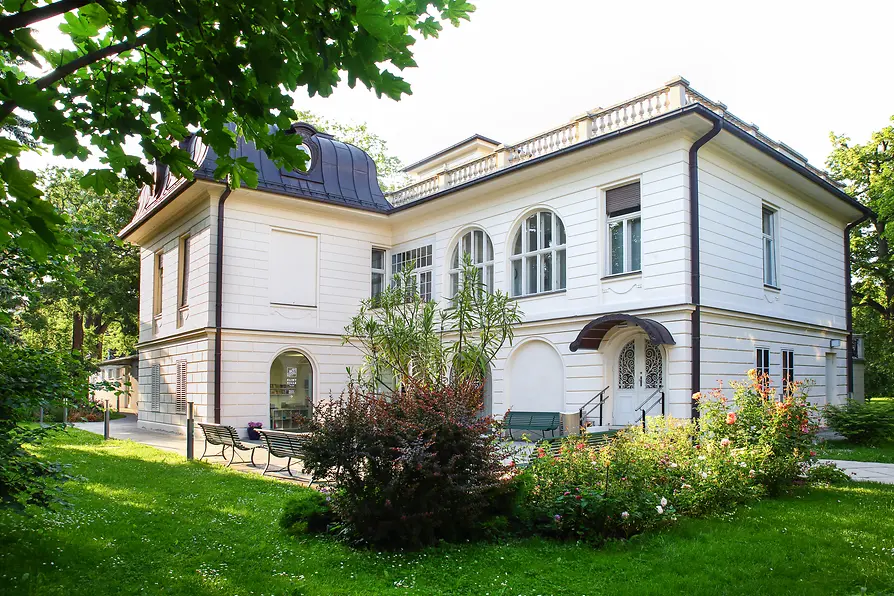
Hietzing was also a place of work for one of the most important painters of Viennese Modernism. In 1911, Gustav Klimt rented a single-story garden house at what is now Feldmühlgasse 11, which he used as his studio until his death in February 1918. Some of his key late works were created here. After Klimt’s death, the family that owned the property converted the garden house into a Neo-Baroque villa – Klimt himself never saw the building as it stands today. In 1948, the Klimt Villa became state property; in 2012, following extensive renovations, it was opened to the public as a memorial site to mark “Klimt Year”, and in 2014 it was designated a European Cultural Heritage site. Today, the Klimt Villa presents a reconstruction of the former studio, based on photographs by Klimt confidant Moriz Nähr, as well as preserved original objects. There’s also the permanent exhibition “Klimt Lost,” which takes a critical look at the issue of looted art in the context of Klimt’s collectors. The 6,500-square-meter garden features re-cultivated Damask roses from the original Klimt Garden. A garden café is open from May through September.
Cuisine: from Tafelspitz to coffeehouse culture
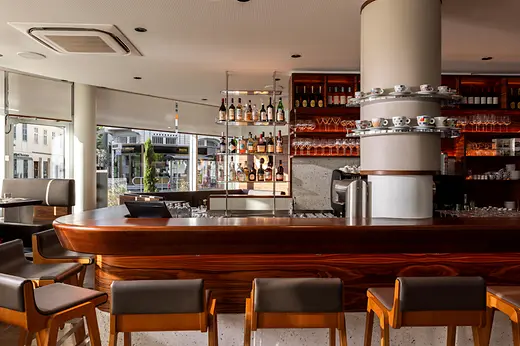
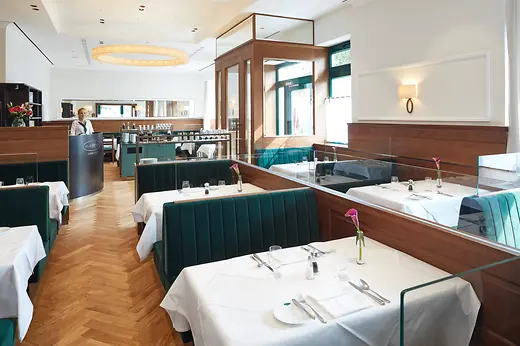
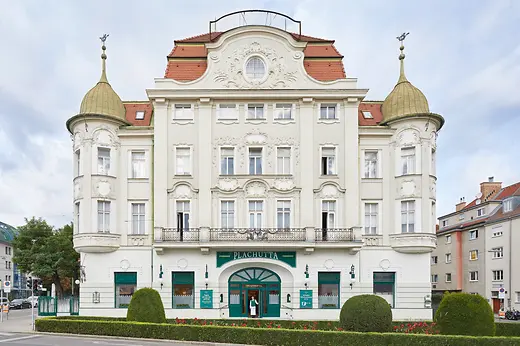
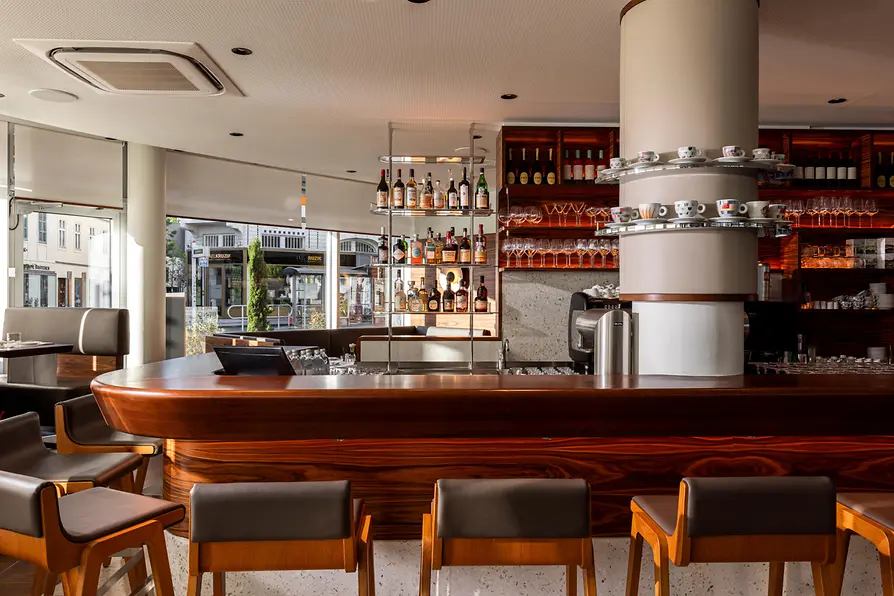
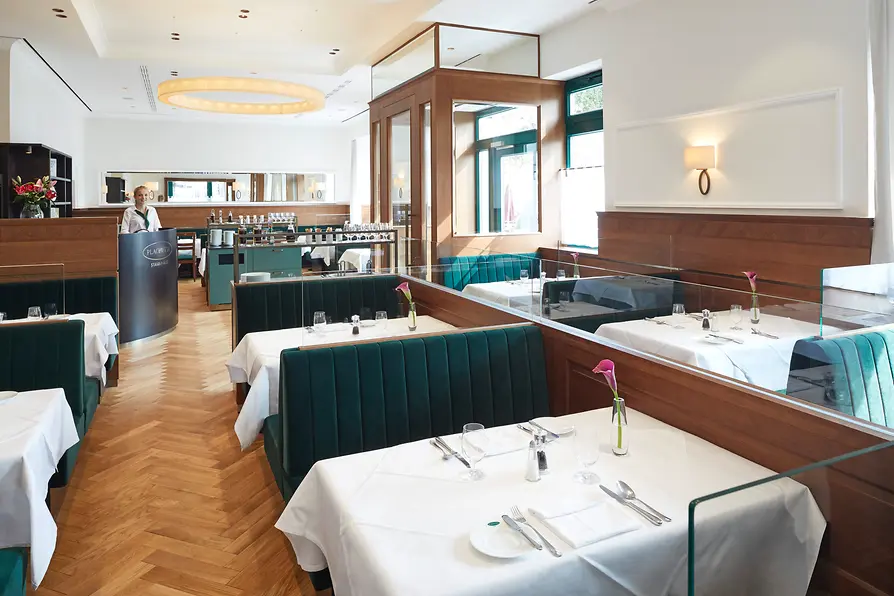
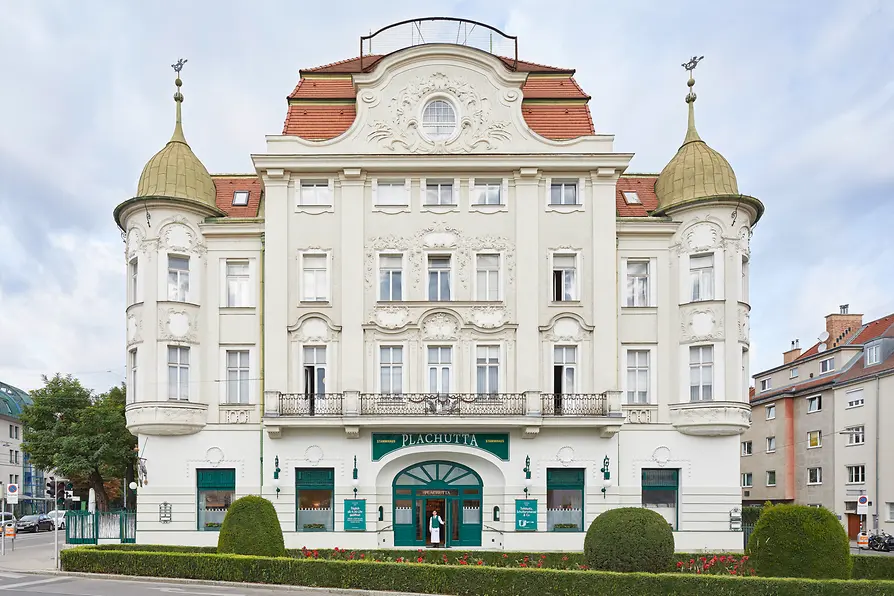
Classic Viennese cuisine with a home-style flair shapes the culinary scene in Hietzing. Plachutta Hietzing on Auhofstraße is considered one of Vienna’s best-known addresses for Tafelspitz – that cut of beef from the rump/hip, simmered in salted water with root vegetables, and regarded as one of the hallmarks of Viennese cuisine. The Plachutta Group has made the restaurant famous nationwide thanks to its consistent quality and careful refinement of its recipes. Plachutta also operates Mario on Lainzer Straße. It exudes urban flair in the middle of greenery, complete with a spacious terrace. This restaurant’s focus is on pasta and grilled dishes.
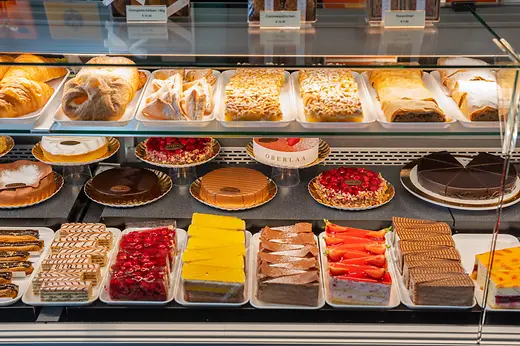
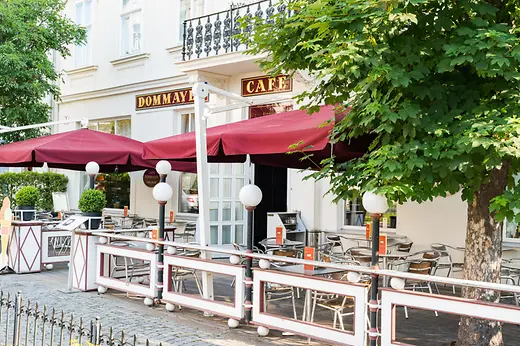
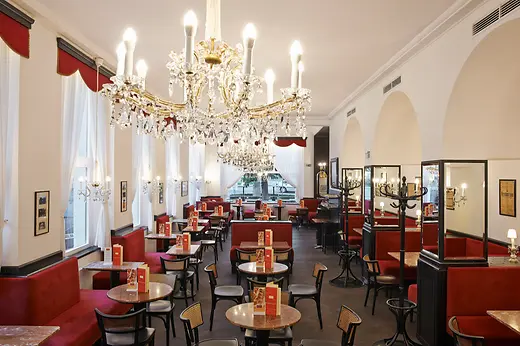
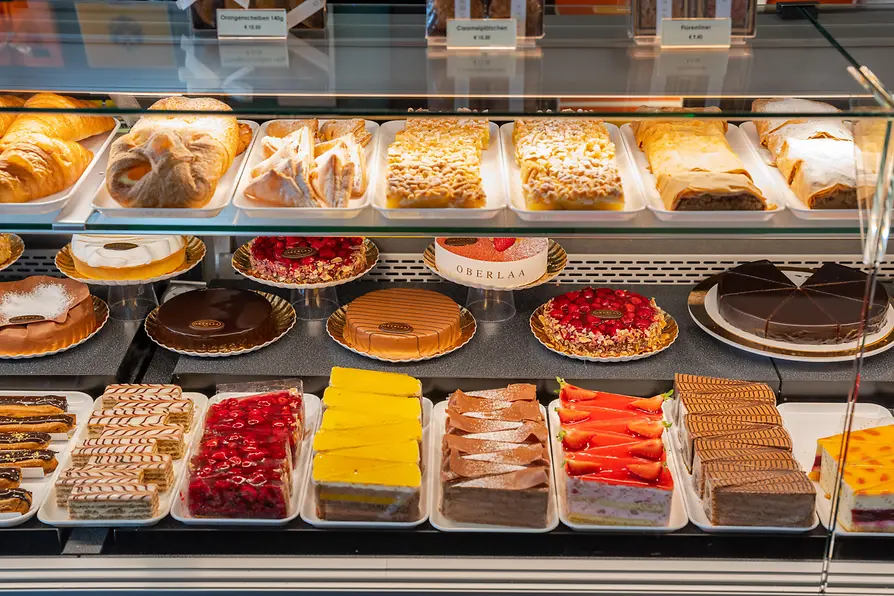
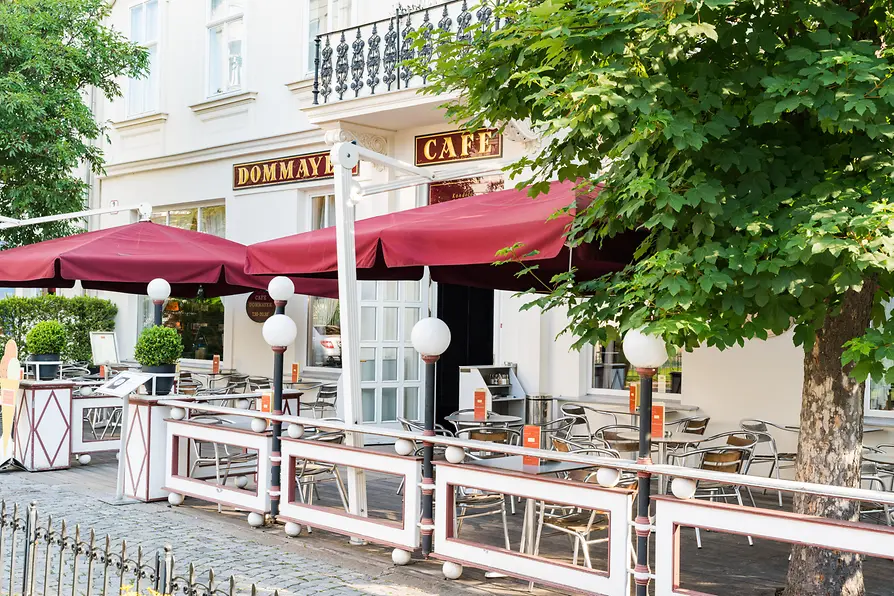
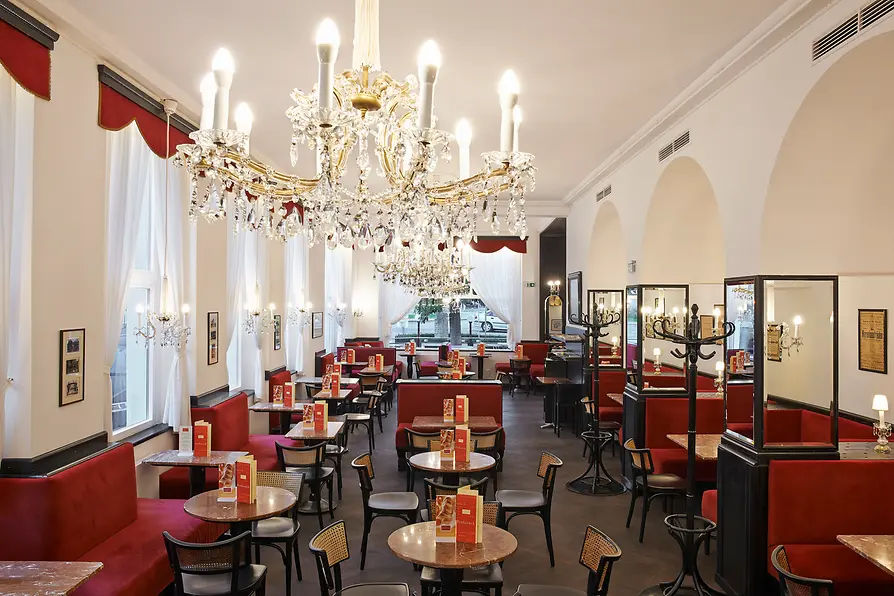
A bastion of Viennese coffeehouse tradition is Café Dommayer, now operated by Kurkonditorei Oberlaa Wien. The café is known for its pastry kitchen, features an inviting Biedermeier interior, and has a sidewalk café with a historic ambiance.
Spend a night in imperial surroundings
Those staying overnight in Hietzing can do so in a setting that is historically appropriate for the district. The Austria Trend Parkhotel Schönbrunn (Hietzinger Hauptstraße 10–14, rated Four-Star Superior) is literally situated on historic ground. Until 1908, this was the site of Dommayer’s Casino, the legendary entertainment venue where Johann Strauss Sr. performed regularly, and where his 19-year-old son of the same name, Johann Strauss, gave his much-noted conducting debut on October 15, 1844. Vienna’s press was thrilled with the son, which further strained the already tense relationship between father and son. The building, erected in 19007-0/08 on the former casino grounds to plans by architect Arnold Heymann, originally served as an imperial guesthouse for Franz Joseph I. Today, a bronze relief above the hotel entrance commemorates Casino Dommayer. The hotel features a classic ballroom as well as the Gloriette Bar and is located right next to the Schönbrunn Palace Park.
Directly adjacent, and connected to the Parkhotel on the ground floor, is the Austria Trend Hotel Maximilian (four stars), named after Emperor Maximilian I of Mexico, whose monument still stands opposite the hotel on Hietzinger Platz today. Both properties belong to the Austria Trend Hotels Group and offer guests reciprocal access to wellness and fitness facilities. In addition, starting in summer 2027, the hotel group will operate four exclusive suites directly in the main building of Schönbrunn Palace. This will be Vienna’s most imperial place to stay., with an outstanding sense of atmosphere.
Altgasse: Hietzing’s oldest street becomes a new meeting place
Altgasse is, as its name suggests, the district’s oldest lane. The first houses were built in 1428, when the area was still dominated by pastures, fields, and vineyards. Today, following a participatory process with local residents in 2025, the lane is a traffic-calmed, greenified greened shared-space zone.
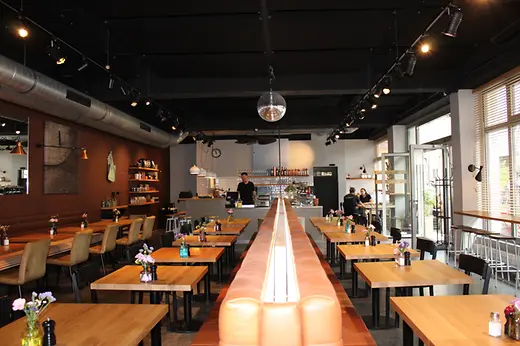
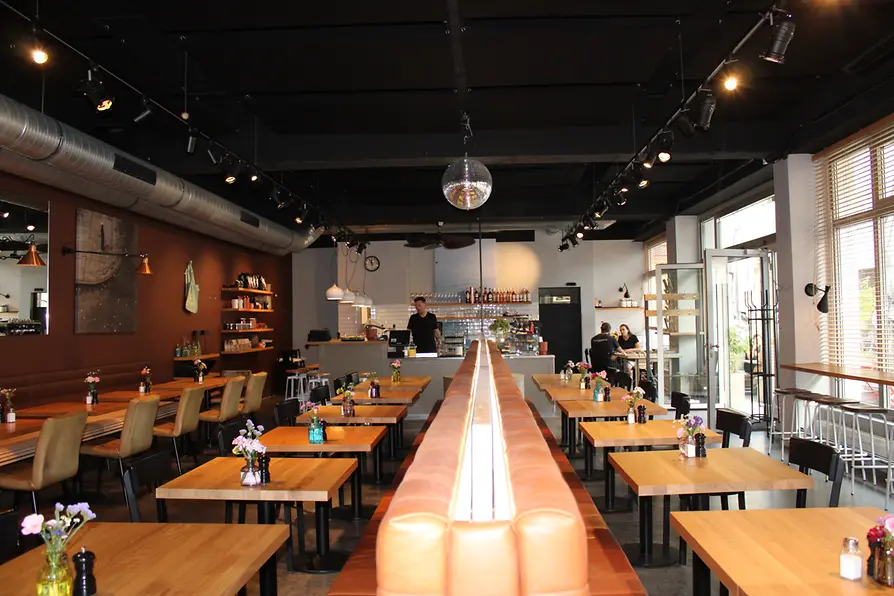
Two venues in particular have helped ensure that in recent years Altgasse has also attracted a younger audience from across the city. Waldemar Day Bar is located in a converted basement of the former Sportunion and stands out with an industrial interior of gray walls, metal pipes, and a disco ball, and a generous glass frontage. Its dining concept has an urban feel. T; the menu ranges from international breakfast (named after cities such as Tel Aviv, Copenhagen, or Paris) to shakshuka, bowls, and roasted sandwiches.
Also on Altgasse, at No. 12, is Nook, a small specialty coffeehouse founded in 2018. It focuses on specialty coffee, a vegetarian and largely vegan menu, and homemade cakes and snacks. Nook sees itself as a combination of café and neighborhood grocery and does not take reservations – walk-ins only.
Hietzing also offers various other shopping options – a particular recommendation is the multibrand boutique Super. It carries designer fashion, lifestyle products, and an in-house label called Studio Super. Super is one of the few addresses in Hietzing to offer explicitly curated, contemporary retail.
-------------
20. Vienna Design Week, September 25-October 4, 2026, www.viennadesignweek.at
Schönbrunn Palace www.schoenbrunn.at
Schönbrunn Zoo www.zoovienna.at
Villa Beer www.villabeer.wien
Otto Wagner Hofpavillon Hietzing www.wienmuseum.at
Klimt-Villa www.klimtvilla.at
Plachutta Hietzing www.plachutta-hietzing.at
Mario www.plachutta-mario.at
Café Dommayer oberlaa-wien.at/standorte/standort-dommayer
Austria Trend Parkhotel Schönbrunn www.austria-trend.at/de/hotels/parkhotel-schoenbrunn
Austria Trend Hotel Maximilian www.austria-trend.at/de/hotels/maximilian
Waldemar (day bar) www.waldemar-tagesbar.at
Nook coffee shop www.nookvienna.com
Super. Multibrand Boutique super-vienna.com
Download print-ready version
Download print-ready version
Download print-ready version
Download print-ready version
Download print-ready version
Download print-ready version
Download print-ready version
Download print-ready version
Download print-ready version
Download print-ready version
Download print-ready version
Download print-ready version
Download print-ready version
Download print-ready version
Download print-ready version
Download print-ready version
Contact
Matthias Schwindl
Media Relations
+43 1 211 14-361
matthias.schwindl@vienna.info